
You want your pond to thrive, not just survive. Standing at the edge of your backyard oasis, watching the water sit still and lifeless, you know something needs to change. The question that keeps coming up is whether you should install an aerator or a fountain. Both promise to improve your pond’s health, but they work in completely different ways.
Understanding which system fits your specific situation can save you money, protect your fish, and transform your pond into the thriving ecosystem you’ve always wanted.
What Pond Aerators Actually Do
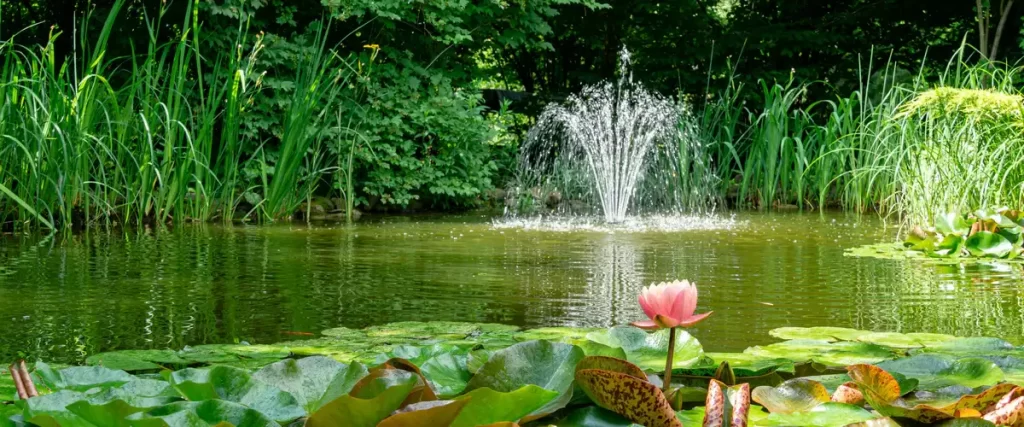
Pond aerators work beneath the surface to circulate water and boost oxygen throughout your entire pond. These systems use an air pump to push bubbles up from the bottom, creating water movement that helps prevent stagnant water conditions.
Subsurface aerators excel at reaching deep ponds where surface-level solutions fall short. The bubbles rising from the pond’s bottom bring oxygen-depleted water to the top, where gas exchange happens naturally. This constant circulation helps maintain oxygen levels that aquatic life depends on to survive.
Think of an aerator as your pond’s respiratory system. It keeps fresh oxygen moving to every corner, including those dark depths where problems often start. The continuous water movement also prevents temperature layering, which can create dead zones where fish struggle to thrive.
Many pond owners overlook how dramatically better circulation affects their pond’s ecosystem. When water moves consistently, beneficial bacteria can break down organic debris more efficiently. This natural process reduces algae growth and keeps your pond environment balanced.
How Pond Fountains Work Their Magic
A pond fountain creates visual appeal while adding oxygen to your water’s surface. These systems shoot water droplets into the air, creating spray patterns that catch the light and add movement to your garden or backyard pond.
Surface aerators like fountains work best in smaller ponds or shallow ponds where the depth doesn’t exceed eight to ten feet. The water droplets that arc through the air absorb oxygen before splashing back down. This surface-level oxygenation can improve water quality in ponds that don’t have significant depth challenges.
Fountains come in various spray patterns, from simple geysers to complex designs that create multiple tiers. The aesthetic value they bring can transform your property into a stunning focal point. The sound of moving water adds a calming element that many residential areas appreciate.
However, fountains have limitations. They primarily oxygenate the water’s surface rather than providing deep circulation. If your pond has layers of water at different temperatures, a fountain might not reach the bottom zones where oxygen depletion often occurs.
Comparing Energy Efficiency and Operational Costs
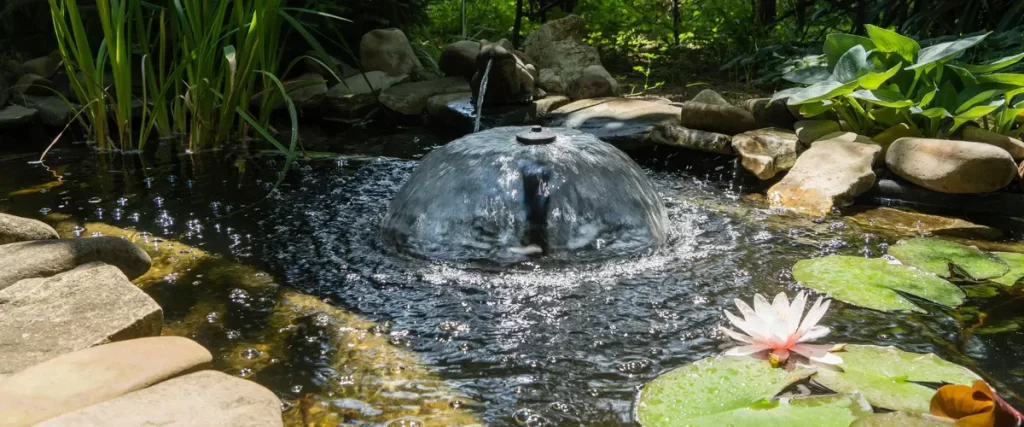
Energy efficient systems matter when you’re running equipment continuously throughout the warm months. Aerators typically use less electricity than fountains because they don’t need to push large volumes of water into the air against gravity.
The operational costs add up over time. A standard pond aerator might consume 50-100 watts per hour, while decorative fountains can use 200-500 watts depending on their size and spray height. Lower operational costs mean more money stays in your pocket over the years.
Energy efficiency depends on several factors:
- Pond size: Larger bodies of water need more powerful systems
- Depth requirements: Deep ponds benefit from subsurface aeration
- Runtime hours: Systems running 24/7 consume more energy than seasonal use
- Equipment quality: Well-designed systems waste less power
Some modern aeration systems are designed specifically to minimize energy consumption while maximizing oxygen transfer. These units can make all the difference in your monthly utility bills.
Maintenance Requirements and Long-Term Care
Low-maintenance systems save you time and frustration. Aerators generally need occasional cleaning of the air intake filter and annual checks of the moving parts. The simplicity of their design means fewer components that can break down.
Fountains require more attention. Water droplets evaporate as they spray through the air, so you’ll need to monitor water levels more closely. The spray nozzles can clog with debris, minerals, or algae, requiring regular cleaning to maintain their spray patterns. Some fountain pumps sit directly in the water, making them more vulnerable to sediment buildup.
To prevent clogging and extend equipment life, both systems benefit from basic care. Checking connections, clearing intake screens, and monitoring performance helps you catch small problems before they become expensive repairs. The U.S. Environmental Protection Agency recommends regular pond maintenance as part of responsible water management practices, particularly for ponds that might affect local waterways.
Winter preparation differs between the two. Aerators can often run year-round in regions where ice forms, actually helping to maintain a hole in the ice for gas exchange. Fountains usually need to be shut down and winterized to prevent freeze damage.
Which System Fits Your Specific Pond?
Your pond’s depth determines which system will increase oxygen levels most effectively. Shallow ponds under six feet deep can work well with either option. The primary concern shifts to your goals: do you want better circulation throughout the water column, or are you focused on visual appeal?
Deep ponds need subsurface aeration. A fountain simply can’t move water from the bottom layers, where fish life often struggles during hot summer months. The more oxygen you can deliver to those deeper zones, the healthier your aquatic environment becomes.
Smaller ponds under a quarter-acre might thrive with a well-chosen fountain. The surface area to depth ratio works in your favor, and the aesthetic value adds charm to your backyard oasis. Larger ponds benefit from dedicated aeration systems that can handle the volume.
Your pond’s health depends on choosing the right system for your situation. If fish are your priority, focus on oxygen delivery throughout the entire water column. If you want a garden centerpiece that also provides some aeration, a fountain might serve both purposes.
Budget matters too. Initial installation costs vary, but remember to factor in operational costs over several years. An energy-efficient aerator might cost more upfront but save money over time compared to running a large fountain continuously.
Noise level can be a deciding factor in residential areas. Fountains create pleasant water sounds that most people enjoy. Aerators run quietly beneath the surface with just a gentle bubbling sound that barely carries beyond your pond edge.
Creating a Healthy Ecosystem That Lasts

A healthy aquatic environment needs consistent oxygen, good circulation, and balanced water chemistry. Both aerators and pond fountains contribute to these goals, but they excel in different ways.
The best oxygenation happens when water movement reaches every layer of your pond. Stagnant water creates problems: algae blooms, fish stress, foul odors, and murky conditions. Moving water solves these issues naturally by supporting the beneficial bacteria that maintain a healthy ecosystem.
Some pond owners install both systems. A subsurface aerator handles the heavy lifting of circulating deep water, while a smaller fountain adds visual interest near the shore or deck area. This combination approach works particularly well for larger properties where both function and beauty matter.
Access to professional guidance can help you avoid costly mistakes. Pond aeration isn’t one-size-fits-all, and what works beautifully for your neighbor might fail in your specific environment.
Let the Experts Handle Your Pond’s Future
After reading about pump requirements, energy consumption, spray patterns, and circulation needs, you might be feeling overwhelmed. Installing and maintaining the right aeration system takes knowledge that comes from years of hands-on experience.
You don’t have to figure this out alone. The professionals at SitePros Landscaping understand pond ecosystems inside and out. We’ve helped countless property owners transform struggling ponds into thriving environments where fish flourish and water stays clear.
Making an informed decision about aerators and pond fountains requires evaluating your specific situation. Our team can assess your pond’s depth, size, current condition, and your goals to recommend the system that will actually work for your backyard oasis.
Why spend weeks researching when you could have experts create a custom solution? We handle everything from selecting energy-efficient equipment to installation and ongoing pond maintenance. You get the healthy environment your pond deserves without the trial and error.
Ready to see what properly oxygenated water can do for your property? Call us at (407) 480-0713 or message us here to schedule a consultation. Your fish will thank you, and your pond will become the beautiful, living ecosystem you’ve always imagined.