
Building a backyard koi pond might seem like one of those projects that’s way over your head, but honestly, it’s more doable than you think. If you know how to build a koi pond the right way, you can create that tranquil water garden you’ve been dreaming about.
The thing is, there’s a big difference between digging a hole and filling it with water versus creating an actual ecosystem that keeps fish healthy and looks great year after year. Let’s explore the four main steps to build a koi pond that lasts.
1. Planning Your Backyard Koi Pond
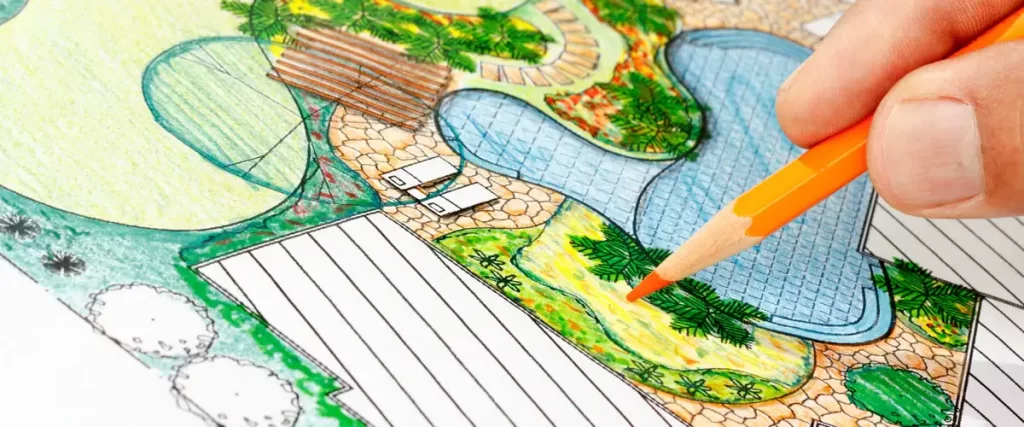
Before you grab a shovel, let’s talk about what you’re really getting into.
First, location matters more than most people realize. You want a spot that gets partial shade because intense sunlight turns your pond into a hot tub, and koi don’t love that. Plus, keep it away from trees if you can. Tree roots will wreak havoc on your liner down the road, and falling leaves create a mess.
The depth is also important. Koi need at least three feet of water to survive cold winters and stay comfortable when summer heat rolls around. A smaller pond might work for goldfish, but if you’re serious about keeping koi, go bigger and deeper.
2. Digging and Preparing the Ground
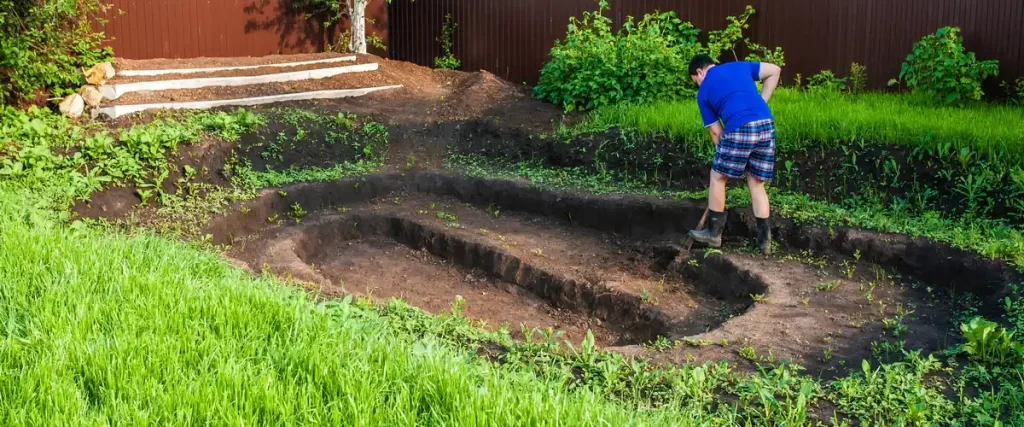
Alright, time to dig. This is where most people underestimate the work involved:
- Use spray paint to outline your pond shape on the ground first. Walk around it for a few days and make sure you’re happy with how it looks from different angles.
- Create shelves at different depths for water plants. These ledges give you places to put aquatic plants without them sinking to the bottom. Save the dirt you’re removing, you might use some of it later for landscaping around the edge.
- Watch out for rocks and roots as you dig. Sharp objects are the enemy of your pond liner.
- Line the entire area with underlayment before the actual liner goes in. Think of underlayment as a protective cushion that keeps rocks from poking through.
3. Installing the Liner and Filtration System
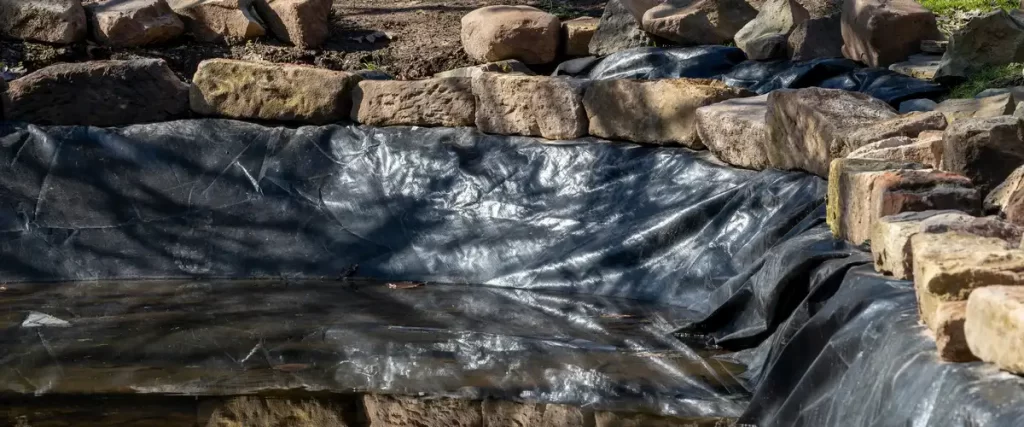
Here’s where things get real: an EPDM liner is your best bet because it lasts forever and handles temperature changes without cracking.
When you lay the liner in the hole, don’t pull it tight. You want some slack so it can settle naturally as you add water. Those wrinkles you see? They’re normal. They’ll flatten out once the pond fills up.
Your filtration system is basically the life support for your fish. You need both mechanical and biological filtration working together. The mechanical filter catches debris and gunk, while the biological filter houses beneficial bacteria that break down fish waste and keep the water clean.
A bog filter is a smart addition if you have the space. It uses plants and gravel to naturally filter your pond water, and it looks good, too. Position your pump at the deepest part of the pond and run the hose up to your filter. Use a hose clamp to secure all connections because the last thing you want is a leak after you’ve filled the whole thing.
Some people add a waterfall or a fountain. On top of looking beautiful, they help aerate the water and keep oxygen levels up for your fish.
4. Adding Water and Finishing Touches
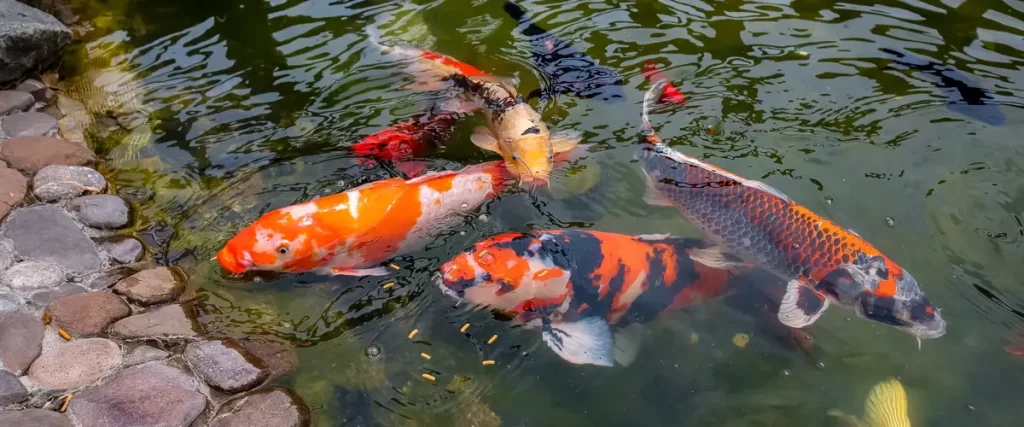
Fill your new pond with a garden hose and let the liner settle as the water level rises. Trim the excess liner once it’s full, leaving about a foot of material around the edge. You’ll tuck this under rocks or gravel to hide it and keep it in place.
Now for the fun part, making it look natural:
- Place large rocks along the perimeter to secure the liner and create a finished look
- Mix in some flat stones where you might want to stand and feed your fish later
- Add your aquatic plants on those shelves you created (like water lilies, iris, and lotus) to add color and help keep algae under control
Before adding fish, you need to let the pond run for at least a week. This gives the biological filter time to develop beneficial bacterial colonies. And don’t forget to test your water temperature and quality. Koi are surprisingly sensitive to big swings in water conditions.
When you’re finally ready to add fish, start small. Maybe two koi to begin with. Float them in a bag in your pond for 20 minutes so they adjust to the water temperature gradually. Your fish population will grow over time, but don’t overstock. Koi get big, and they need room.
Koi Pond Maintenance Through the Seasons
Your backyard pond needs attention year-round, but it’s not as bad as you might think.
In summer, monitor the water level and top it off when it drops due to evaporation. Feed your fish regularly, but only what they’ll eat in a few minutes.
Fall brings falling leaves, so consider putting netting over the pond to keep debris out.
Winter depends on where you live. In cold climates, you’ll need a de-icer to keep a hole in the ice so gases can escape. Koi basically hibernate in winter at the bottom of the pond, so that three-foot depth you dug becomes really important.
Spring is when you’ll do your major cleaning. Remove any debris that accumulated over winter, check your equipment, and get your pump and filter running again as temperatures warm up.
Frequently Asked Questions
How much does it cost to build a koi pond yourself?
Expect to spend anywhere from $1,500 to $5,000 for a decent-sized backyard koi pond if you’re doing the work yourself. That includes the liner, pump, filtration system, rocks, plants, and your initial fish. DIY pond kits can help keep costs down, but custom builds obviously cost more.
Can I use a regular pond liner, or do I need something special for koi?
Go with an EPDM liner specifically rated for ponds. Regular tarps or pool liners break down and can leach chemicals that harm your fish. EPDM lasts 20-plus years and is safe for koi.
How many koi can I put in a 1,000-gallon pond?
A good rule is about 100 gallons per koi, so maybe 8-10 fish max in a 1,000-gallon pond. But remember, koi grow. Those little six-inch fish you buy can eventually reach two feet long if they’re healthy and happy.
Do I need to bring my koi inside during winter?
Not if your pond is deep enough. Koi can survive winter outdoors as long as the pond is at least three feet deep and doesn’t freeze solid. They’ll hang out at the bottom, where it stays warmer and basically go dormant until spring.
What’s the biggest mistake people make when building a koi pond?
Building it too small and too shallow. A lot of people regret not going bigger from the start because you can’t really expand a pond easily once it’s built.
Let the Pros Handle It
You might be thinking this sounds like a lot of work. You’re not wrong. Between digging, installing the filtration system, getting the water chemistry right, and maintaining everything year-round, a koi pond is a serious commitment.
That’s exactly why a lot of homeowners decide to call in professionals who build ponds for a living. We have the equipment to dig efficiently, know exactly how to install underlayment and liners without wrinkles or leaks, and can design a filtration system that keeps your water clean without constant maintenance.
If you’d rather skip the learning curve and just enjoy your water garden, call us at (407) 480-0713 or message us here.