
You walk out to your backyard one morning with coffee in hand, ready to watch your koi swim around like you do every day. But something’s wrong. The water’s too still. You count your fish and realize some are missing. Maybe it was that blue heron you spotted last week, or the raccoon tracks you just noticed.
Losing pond fish to predators hurts, especially after you’ve watched them grow and named half of them. The good news? You can absolutely protect your pond fish without turning your water feature into Fort Knox.
Let us walk you through what actually works, because we’ve seen too many pond owners try everything under the sun before finding the right solution.
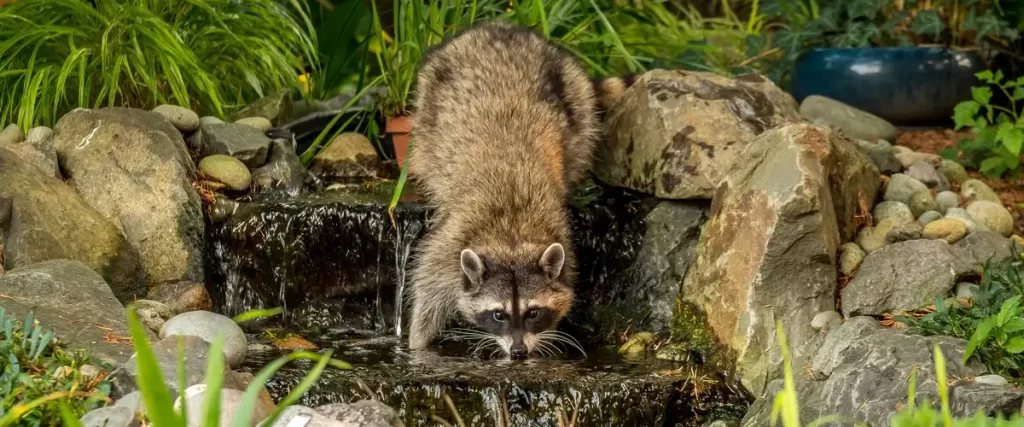
Understanding Pond Predators in Your Area
The U.S. Fish and Wildlife Service has noted increased interactions between backyard ponds and local wildlife over the last few years. Your pond isn’t just a garden feature anymore. It’s basically a 24-hour buffet sign for every predator within a mile radius.
Different animals hunt at various times and use completely different strategies:
- Herons will stand at the edge and wait for fish to swim close, sometimes for over an hour.
- Raccoons are smarter than you’d think. They’ll reach into shallow areas and feel around for small fish.
- Cats usually go after young koi in the early morning.
Some areas even deal with mink, otters, or snakes, depending on location. Watch for these signs that predators are testing your defenses:
- Fish staying deep all day instead of coming up to eat
- Muddy paw prints or bird tracks around the edge
- Missing fish with no sign of illness
- Disturbed rocks or moved decorations near shallow areas
Physical Barriers That Protect Pond Fish
The most reliable protection comes from physically blocking predators’ access to your fish. Some of these methods look better than others, but they can get the job done when installed correctly:
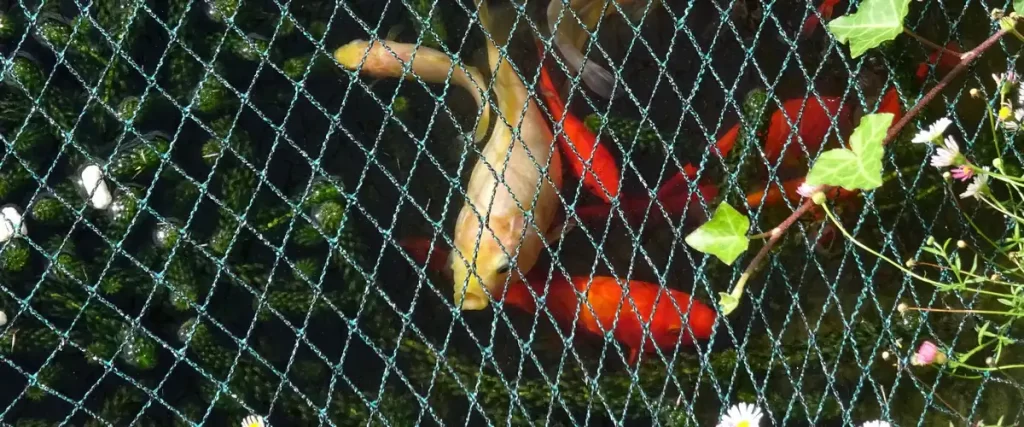
- Heavy-duty netting. Get the tough stuff, not flimsy bird netting from the hardware store. Stretch it tight across the entire pond surface and secure it with stakes around the yard perimeter. You can hide it under floating plants or water lilies, which works surprisingly well.
- Deep water zones. If your pond is at least three feet deep in the center, fish can swim down and hide when they notice danger. Herons typically won’t wade into water deeper than their legs can reach, which gives your koi a fighting chance.
- Fish caves and hiding spots. Stack rocks to create overhangs, add clay pipe sections to the bottom, or install commercial fish caves throughout your pond. Your fish need somewhere to dart when a shadow flies overhead.
- Electric fencing. Not for everyone, but if you’re dealing with persistent raccoons or foxes, a low-voltage fence around the pond edge can teach them to search for food elsewhere. Just be very careful using this tactic if you have kids or pets around.
Natural Deterrents and Scare Tactics
If you’d rather not cover your entire pond with netting, there are several ways to make predators think twice before hunting in your yard. These work best when you combine multiple tactics and change things up regularly:
- Heron decoys. These work for about two weeks before real herons figure out they’re fake. You need to move your decoy every few days and combine it with other methods. Real herons will eventually land nearby, notice the decoy never moves, and realize it’s not a threat.
- Motion-activated sprinklers or lights. Raccoons hate surprises. Set up a sensor that triggers when something approaches the pond edge, and suddenly that midnight snack isn’t worth the effort. The initial jump usually convinces them to move along.
- Fishing line grid. String clear fishing line in a grid pattern about six inches above your pond surface. Herons need room to land and take off, and when their wings catch on something they can’t see, they won’t come back. Change the pattern every month or so because predators learn fast.
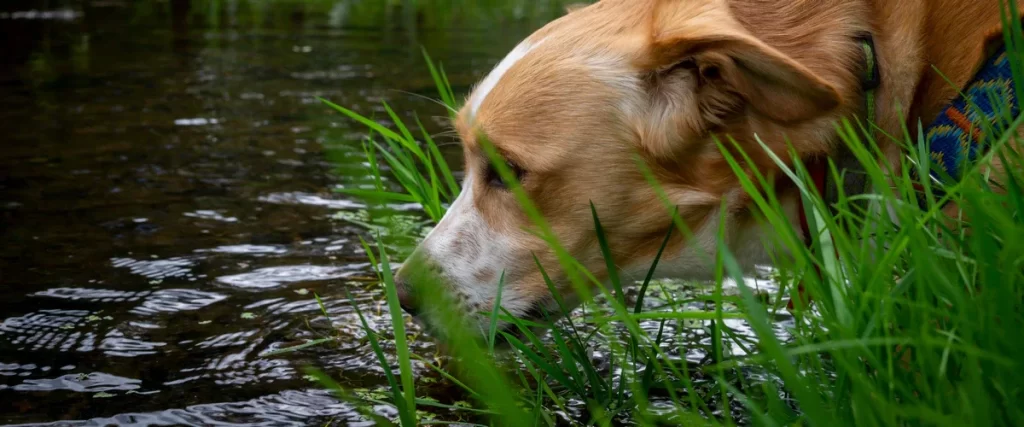
- Dog patrols. If you have a dog, let them patrol the yard regularly. Most wildlife will avoid areas where they detect a dog’s scent, even if the dog never catches sight of them. The smell alone tells predators this territory is already claimed.
Keep Predators Away: Creating Long-Term Protection
Consider your pond’s location when planning protection strategies. Is it right next to dense brush where raccoons can sneak up? Does it sit in an open area where birds can easily spot it from the air? Sometimes repositioning decorative elements or adding strategic plantings makes all the difference.
Winter and fall bring different challenges. Leaves can cover your netting and sink it to the bottom of the water. Ice can trap fish near the surface where they’re easier to catch. Regular pond maintenance throughout the year keeps your protection systems working properly and your water quality stable.
Spring is when you’ll notice predators most. Baby birds need protein, mama raccoons are feeding kits, and everyone’s hungry after winter. Double-check all your barriers before breeding season starts.
Advanced Protection Systems
Some pond owners install underwater shelters accessible only to fish. These work like safe rooms, with entrances too small for most predators to reach through. You can buy them or build them with PVC pipe and mesh.
Cover part of your pond with a pergola or shade structure. This blocks the view from above while creating a nice spot for you to sit and watch your fish. That’s a win-win.
If you’re dealing with persistent problems, consider upgrading to a koi pond design with steeper sides and fewer shallow ledges. Predators need easy access points, and if you eliminate those, they’ll give up and hunt somewhere easier.
FAQ
What’s the most common pond predator?
Raccoons top the list in most areas. They’re active at night, extremely persistent, and smart enough to figure out basic protection methods. Herons come in second, particularly near bodies of water.
How deep should my pond be to keep fish safe?
Aim for at least three feet in the deepest section. This gives fish room to escape downward when threatened. Shallow ponds less than 18 inches deep make fish easy prey for almost every predator.
What time of day are pond fish most vulnerable?
Early morning and dusk are peak hunting times. Herons and other birds prefer these hours because fish are more active near the surface. Raccoons hunt throughout the night.
Do pond fish recognize predators?
Absolutely. Fish learn to associate shadows, splashing, and certain movements with danger. If your fish suddenly dart deep every time a bird flies over, they’ve already had close calls with predators.
Let Us Handle Your Pond Protection
Look, we get it. You wanted a beautiful water feature where you could relax and watch fish swim peacefully. Instead, you’re out here at sunrise checking for heron tracks and retying fishing line like some kind of pond security guard.
Maybe it’s time to call in people who handle this stuff every day. Our team knows exactly how to protect fish in a pond from predators. We’ll assess your specific situation, identify which local predators are the real threat, and install protection that actually works long-term.
Call us at (407) 480-0713 or message us here, and let’s figure out a solution that keeps your fish safe and your weekends free.