
You spent thousands building that beautiful koi pond in your backyard. The water features look amazing, and your fish were thriving. And then winter rolled in, and suddenly things went sideways. Maybe you noticed your koi acting sluggish, or worse, you found one floating.
Taking care of a koi pond isn’t rocket science, but it does require consistent attention to a few key elements. Your koi fish depend on you to maintain their environment. Unlike wild fish, they can’t just swim to cleaner water when conditions get rough.
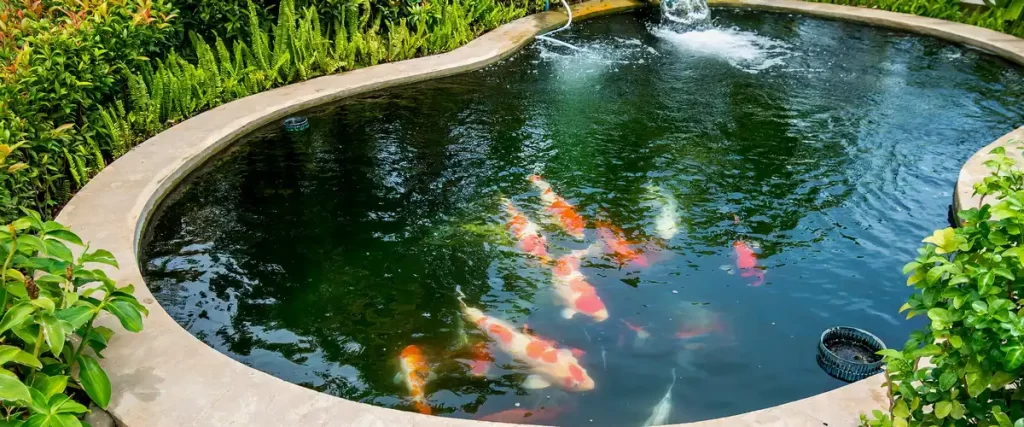
6 Core Elements of Koi Pond Maintenance
Here’s what you need to stay on top of:
| Element | Maintenance Frequency | Key Tasks |
| Water Quality Testing | Weekly | Check pH, ammonia, and nitrite levels |
| Feeding | Daily (warm months) | Quality fish food, appropriate portions |
| Filter Cleaning | Monthly | Remove debris, check beneficial bacteria |
| Water Changes | Bi-weekly | Replace 10-15% of pond volume |
| Plant Management | As needed | Remove dead leaves, control growth |
| Fish Health Checks | Daily during feeding | Watch for unusual behavior or appearance |
Think of koi pond maintenance like taking care of a living ecosystem in your own backyard. Everything connects. Water quality affects fish health, fish waste reduces water clarity, and pond plants influence oxygen levels. Get one thing wrong, and you’ll see problems cascade.
Water Quality Is Everything
Your pond water must remain within a specific range for koi fish to remain healthy. The pH should range from 7.0 to 8.6. Ammonia and nitrite? Zero. These are non-negotiable numbers.
Test your water weekly using a quality test kit. If you’re seeing spikes in ammonia or nitrite, your biological filtration might not be keeping up with your fish population. Too many fish produce excess waste that overwhelms the good bacteria responsible for breaking down toxins.
The EPA’s water quality standards emphasize the importance of monitoring pollutant levels in aquatic environments, and the same principle applies to your water garden at home. Clean water is about chemistry, not just clarity.
Feed Your Koi Right
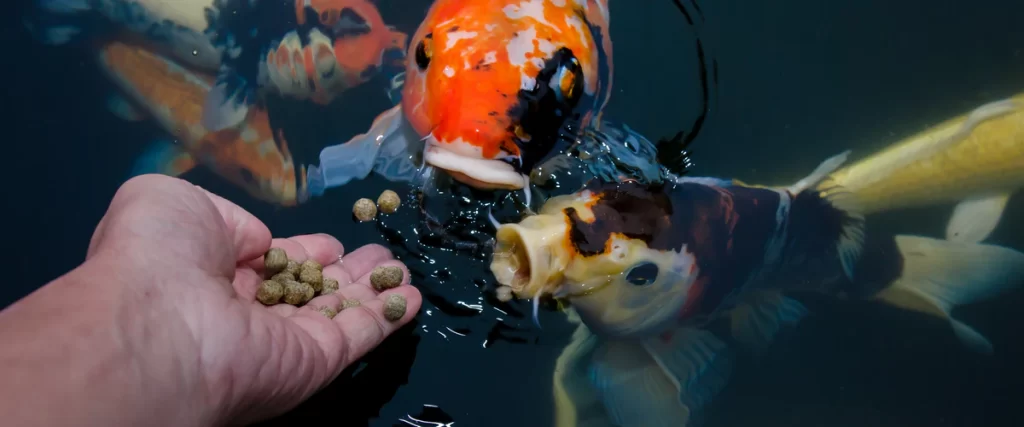
When water temperature climbs above 50°F, your koi will start eating. Feed them a balanced diet of quality fish food formulated specifically for pond fish. Cheap food creates more waste because the fish can’t digest it properly.
Here’s how feeding changes with the seasons:
- Warm months (70°F+): Feed 2-3 times daily, only what they’ll eat in 5 minutes
- Moderate temps (60-70°F): Once daily
- Cool weather (50-60°F): Every other day with wheat germ-based food
- Winter (below 50°F): Stop feeding completely
When water temperature drops significantly, koi metabolism slows way down. They’re not hungry, and uneaten food just rots and degrades water quality. Your fish will survive winter on stored fat reserves.
Filtration Systems Need Regular Attention
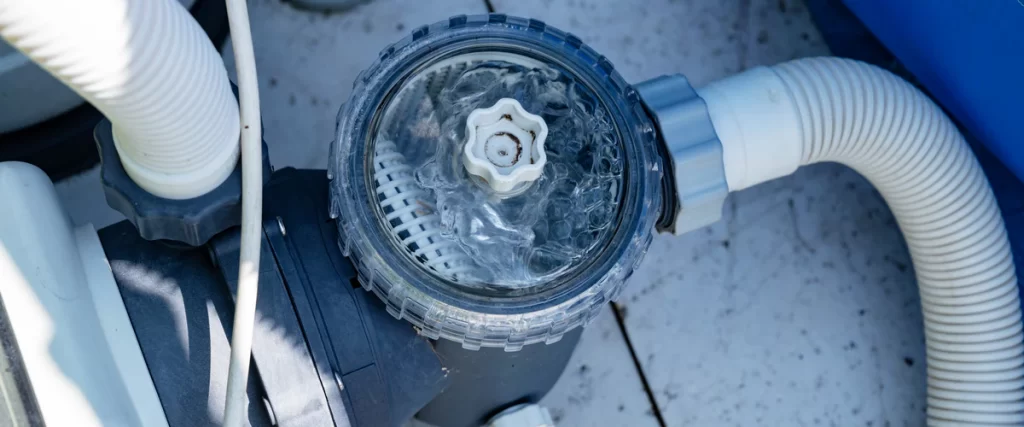
Your filter is the first line of defense against water quality issues. Mechanical filtration removes physical debris, while biological filtration uses beneficial bacteria to convert harmful compounds into less toxic ones.
Check your filter at least once a month. During peak season, when you’re feeding heavily and fish are most active, you might need to clean it more often. But don’t overdo it. Beneficial bacteria in your filter media take time to establish.
If you scrub everything with tap water, you’ll kill off the good bacteria and crash your system. Instead, rinse filter media in pond water you’ve removed during water changes. This keeps the bacteria alive while removing the gunk.
Don’t Skip Water Changes
Even with perfect filtration, you need to do partial water changes. Every two weeks, remove 10-15% of your pond water and replace it with fresh tap water treated with dechlorinator. This dilutes accumulated nitrates and replenishes trace minerals.
Use a good dechlorinator. Chlorine and chloramine in municipal water will kill your fish and crash your beneficial bacteria colonies. Let me be clear: untreated tap water can wipe out your entire fish population in hours.
Managing Algae Without Losing Your Mind
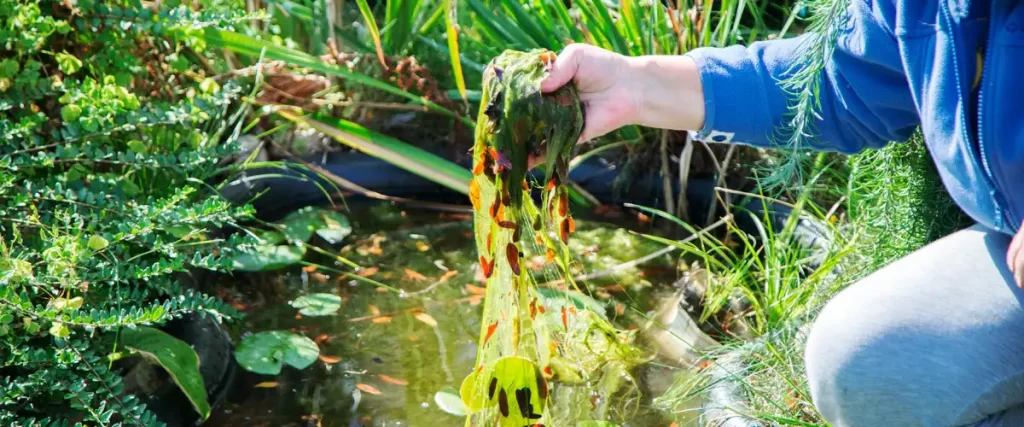
Some algae is normal. A little green tint in the water? That’s fine. Pea soup green or long strings of algae choking your pond plants? Time to act.
UV clarifiers kill suspended algae (the kind that makes water green) as it passes through. Beneficial bacteria additives help break down the nutrients algae feed on. Barley straw releases compounds that naturally control algae growth.
Avoid the temptation to over-clean. If your water is crystal clear all the time, you might actually have a problem with not enough biological activity. A healthy pond is balanced, not sterile.
Watch Your Fish Population
The general rule: one inch of fish per 10 gallons of water. Overstock your pond, and you’re fighting a losing battle with water quality. More fish means more waste, less oxygen, and higher maintenance demands.
When fish get sick, act fast. Common health issues include parasites, bacterial infections, and fungal problems.
Quarantine new fish before adding them to your main pond. A separate holding tank for 2-3 weeks helps you identify issues before they spread to your healthy population.
Seasonal Koi Pond Maintenance
Every season requires a different treatment when you’re maintaining a koi pond:
- Spring brings your pond back to life. Start testing water quality as temperatures rise. Remove any organic debris that accumulated over winter. Check that your pump and filter restart properly after months of dormancy.
- Summer means active fish, faster algae growth, and the need to maintain oxygen levels. Water holds less oxygen as it warms, so ensure adequate water flow and aeration. Pond plants help here, producing oxygen during daylight hours. Just watch that they don’t take over. Floating plants, like water lettuce, can shade the pond surface too much.
- Fall prep involves stopping feeding as the water temperature drops, removing fallen leaves before they sink and decompose, and cutting back dying aquatic plants. This organic debris will turn into muck that feeds algae blooms come spring.
- Winter requires the least hands-on work but demands preparation. In regions where ponds freeze, install a de-icer to keep a hole open in the ice. This allows toxic gases to escape and oxygen to enter. Ponds that are at least 3-4 feet deep prevent complete freezing, providing a safe zone for koi at the bottom.
Frequently Asked Questions
How often should I test my koi pond water?
Test weekly during the warm months when fish are active and feeding. Monthly testing works during winter when the pond is mostly dormant. Always test after adding new fish or if you notice anything off with fish behavior.
Can I use rocks and gravel in my koi pond?
You can, but it makes cleaning harder. Waste settles between rocks and creates maintenance headaches. Many koi keepers prefer bare-bottom ponds for easier waste removal, though some use larger river rocks that don’t trap debris as much.
What’s the best water temperature for koi fish?
Koi thrive between 65-75°F. They can survive much colder and warmer temperatures, but this range keeps them most active and healthy. When pond water temperature fluctuates rapidly, it stresses fish and makes them vulnerable to disease.
How do I know if my koi are getting enough oxygen?
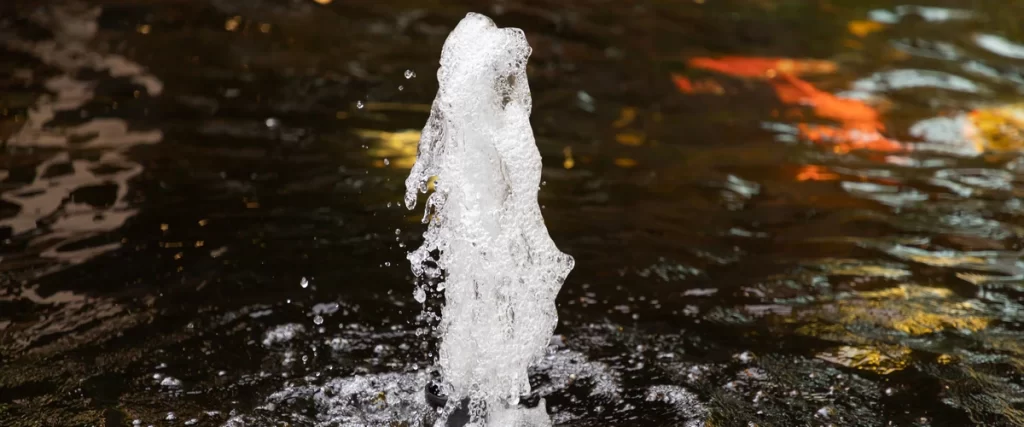
Fish gasping at the water surface, especially in the early morning, signals low oxygen levels. Adding a fountain, waterfall, or aerator increases oxygen. Hot weather and heavy fish populations increase oxygen demands.
Should I remove pond plants in winter?
Hardy aquatic plants can stay in the pond. They’ll die back naturally and regrow in spring. Tropical plants won’t survive freezing temperatures and should be brought indoors or composted. Remove dead plant material before winter to reduce organic debris.
Let the Koi Pond Experts Handle It
After reading all this, you might be thinking that koi pond care sounds like a part-time job. Testing water, managing filters, seasonal cleanouts, and monitoring fish health add up to hours of work every month.
That’s where professional pond maintenance comes in. We keep your water quality stable, your equipment running right, and your koi healthy year-round. You get to enjoy watching those beautiful fish glide through clear water without the constant worry about what might go wrong.
Call us at (407) 480-0713 or message us here to discuss a maintenance plan that takes the hassle out of koi pond ownership.