
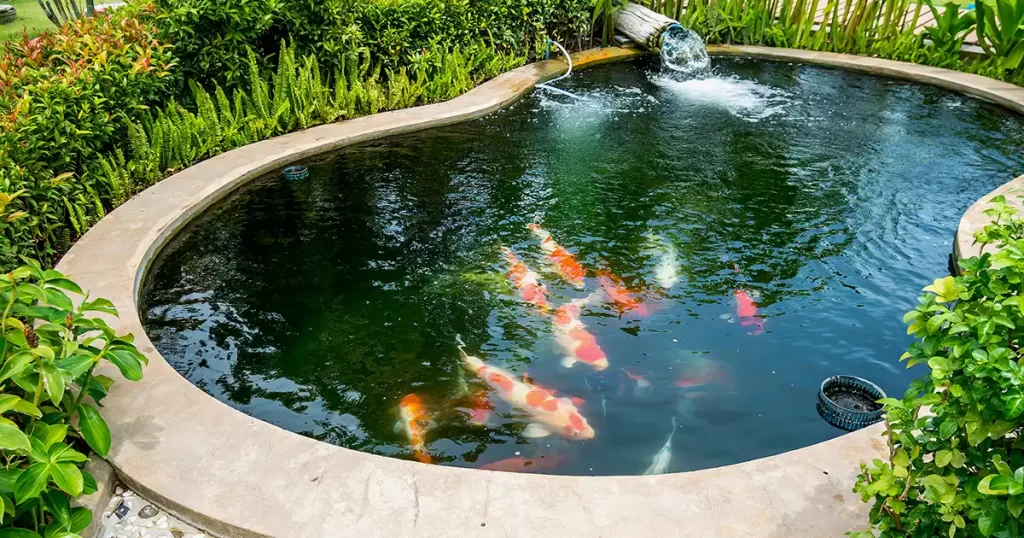
A koi pond brings calm, movement, and natural beauty into any outdoor space. Watching koi fish glide through clear water surrounded by lush aquatic plants can feel like a dream. But behind that peaceful scene is a living ecosystem, and one that requires regular attention.
If you own a koi pond, or you’re considering adding one to your backyard, knowing how to maintain it can make all the difference between a thriving pond and one struggling with poor water quality and sick fish.
Keeping a koi pond clean and healthy means paying close attention to water quality, fish behavior, and how well everything in the pond is working together. When filtration systems fall behind, algae takes over, or waste builds up, things can change quickly.
Water clarity drops, oxygen levels shift, and koi can become stressed or sick before you even notice a problem.
What Regular Koi Pond Maintenance Involves
Maintaining a koi pond means keeping many elements in check at once. Some things need weekly attention, others monthly or seasonally. A few of the core tasks include:
- Monitoring pond water quality: Testing for ammonia, nitrites, pH, and oxygen levels ensures a safe environment for your koi.
- Cleaning filters and pumps: Without proper filtration, fish waste and organic debris quickly lead to murky, unhealthy water.
- Skimming debris from the surface: Leaves, twigs, and uneaten fish food floating on the pond’s surface should be removed regularly.
- Controlling algae growth: Excess algae not only looks bad, but it also robs your pond of oxygen, harming fish and aquatic life.
- Checking pond water temperature: Koi are sensitive to rapid changes. Sudden shifts in temperature can weaken their immune systems.
Every pond is different. A small koi pond may need more frequent hands-on care because its water volume is lower and can change more quickly. A larger pond may be more stable, but it also involves more effort when it comes to cleaning or repairs.
The Role of Beneficial Bacteria
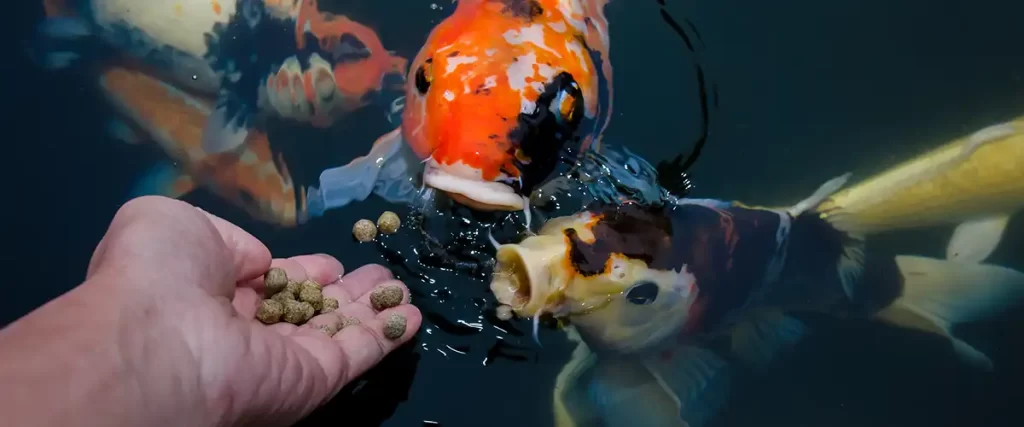
Adding beneficial bacteria to your pond is one of the simplest ways to support a healthy aquatic environment. These microorganisms break down fish waste and excess organic matter, helping to maintain clear pond water and limit algae blooms. They’re a natural ally in pond maintenance and can greatly reduce the need for chemical treatments.
If you’re dealing with cloudy water or sludge buildup at the bottom of the pond, introducing bacteria can make a noticeable difference within days. They’re also safe for koi fish, pond plants, and other aquatic life.
Understanding Your Pond’s Ecosystem
A koi fish pond is its own small ecosystem. Everything inside it: fish, plants, bacteria, and waterworks together. When one part gets out of balance, it impacts the entire pond. Too much fish food? That leads to more waste, which reduces oxygen and feeds algae. Not enough water movement? Then the filtration system can’t do its job, and stagnant water encourages algae growth.
Even tree roots growing nearby can disturb the pond liner or shift rocks, changing water flow. Pond maintenance involves managing the entire system, including water quality, filtration, fish health, and plant balance.
Also Read: Why Every Koi Pond Needs an Air Pump
Pond Maintenance Across the Seasons
Each season brings different challenges for keeping your koi pond clean and balanced.
Spring
This is when most pond owners do a major cleanup. After winter, the water might be full of organic debris, and filters often need replacing or a deep cleaning. Koi fish start becoming active again as water temperatures rise, so it’s important to restore water quality quickly.
Summer
This is the busiest time for pond maintenance. Algae blooms, increased fish feeding, and high temperatures can all challenge your pond’s balance. Keeping the water aerated and clean is key, especially if your pond fish are breeding.
Fall
Leaves start falling, which means more floating debris to scoop out. Installing a net over the pond can help reduce this. Fish begin to eat less, and the water plants start to die back.
Winter
Koi pond winterization is all about protecting your fish as the pond goes dormant. You might need to add a floating de-icer or keep part of the surface open so gases can escape. Most pond plants will be cut back or removed. Regular koi pond maintenance during winter is minimal but important for survival.
Common Koi Pond Maintenance Challenges
Even with the best planning, issues pop up. Here are a few that most pond owners face:
- Algae overgrowth: Caused by sunlight, fish waste, and excess nutrients. Shading part of the pond and using aquatic plants can help.
- Poor water quality: Often due to overfeeding, clogged filters, or too many fish.
- Sick fish: Stress from dirty water, extreme temperatures, or overcrowding can weaken koi.
- Leaks in the pond liner: Can be hard to find, but low water levels are usually the first sign.
- Stinky pond water: Usually from decaying organic matter like fallen leaves or uneaten food.
Solving these problems takes time, effort, and sometimes specific tools like a pond vacuum or water testing kit. If left too long, the whole pond ecosystem can crash.
Also Read: How to Take Care of a Koi Pond
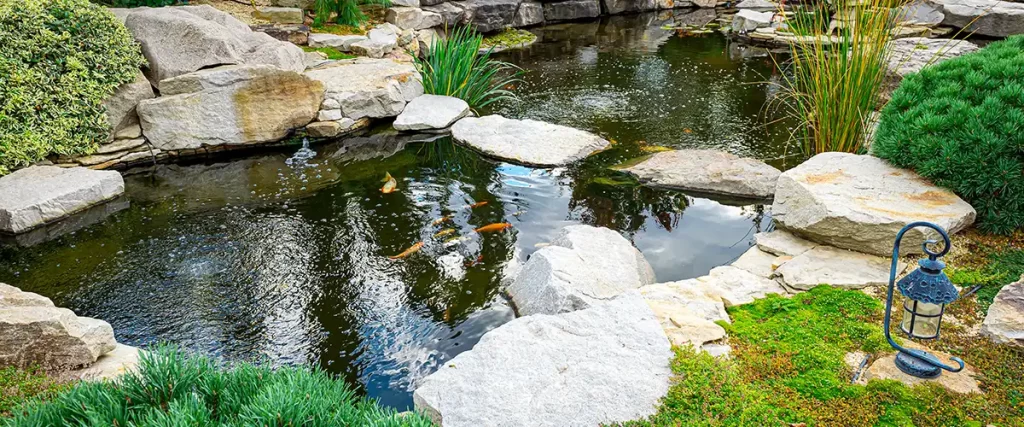
What Impacts Koi Pond Maintenance Cost?
The cost to maintain a koi pond depends on several factors:
- Pond size and depth: Larger ponds naturally cost more in time and supplies.
- Filtration system quality: A good system reduces cleaning time but may be more expensive upfront.
- Fish population: More koi means more food, more waste, and more care.
- Frequency of professional pond cleaning: While many people handle regular maintenance themselves, hiring a professional pond contractor seasonally can keep the pond in excellent shape.
There’s also the long-term cost of replacing equipment, maintaining the pond liner, and managing wear from outdoor exposure. Most pond owners eventually find a rhythm that works for them. Some prefer DIY maintenance, others hire pond cleaners a few times a year.
Why Consistent Cleaning Matters
Pond maintenance isn’t something you can put off for long. The longer you wait, the more difficult and costly it becomes to restore a functioning pond. Fish health declines, filters clog, and algae growth can explode in just a week or two. Even missing a few cleaning sessions can throw off your pond’s delicate balance.
Consistent cleaning doesn’t mean daily work. It means staying aware of your pond’s condition. Watch your fish, are they sluggish or swimming oddly? Does the water smell bad? Are the aquatic plants thriving or rotting?
These small signs can help you take action before problems get worse.
When to Call in a Professional Pond Company
For some, maintaining a pond is a satisfying hobby. But for many pond owners, it becomes overwhelming over time, especially with larger ponds or koi fish that need extra care.
You might want to bring in a professional pond contractor if:
- You’re dealing with persistent poor water quality
- Algae blooms return no matter what you try
- You’re unsure how to maintain your filtration system
- You’ve had recurring issues with fish health
- The pond needs a seasonal deep clean
Sometimes, it’s simply about time. Life gets busy, and a backyard pond is easy to neglect. Having the pond professionally cleaned a few times a year can keep things running smoothly and save you a lot of stress.
Also Read: How to Build a Koi Pond in Your Backyard
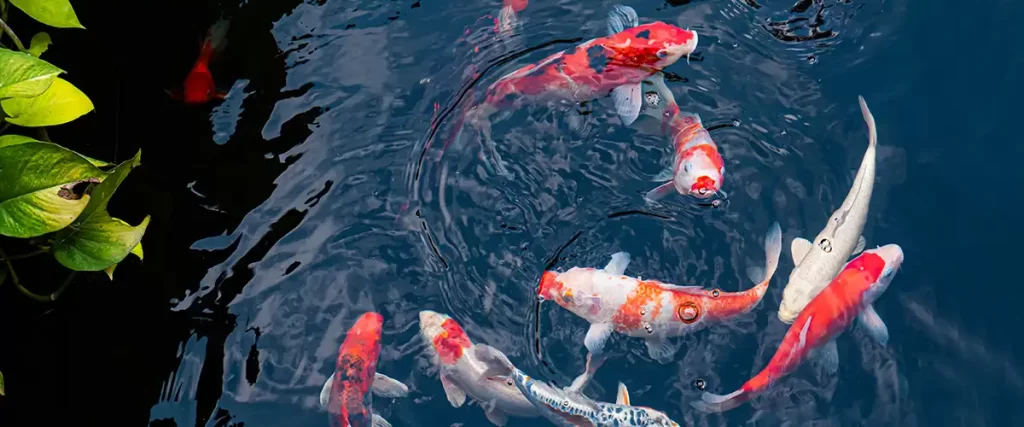
Thinking It Might Be Easier to Let Someone Else Handle It?
Maintaining a fish pond requires regular attention. It involves monitoring water quality, managing waste buildup, maintaining equipment, and understanding how the ecosystem responds to changes. It takes time and consistency to keep everything stable and healthy.
If you’d rather spend your weekends enjoying your outdoor ponds instead of scrubbing filters, checking water temperature, and worrying about excess algae, we get it.
Call us at (407) 480-0713 or message us here to talk about ongoing koi pond maintenance or schedule a full cleaning in Central Florida. Site Pros Landscaping will help you keep your pond clear, your fish healthy, and your backyard beautiful, without the headache.