Paver Sealing in Central Florida
Your pavers are doing a lot of work out there in the Florida sun, and a quality sealer is the one thing standing between them and years of fading and cracking.
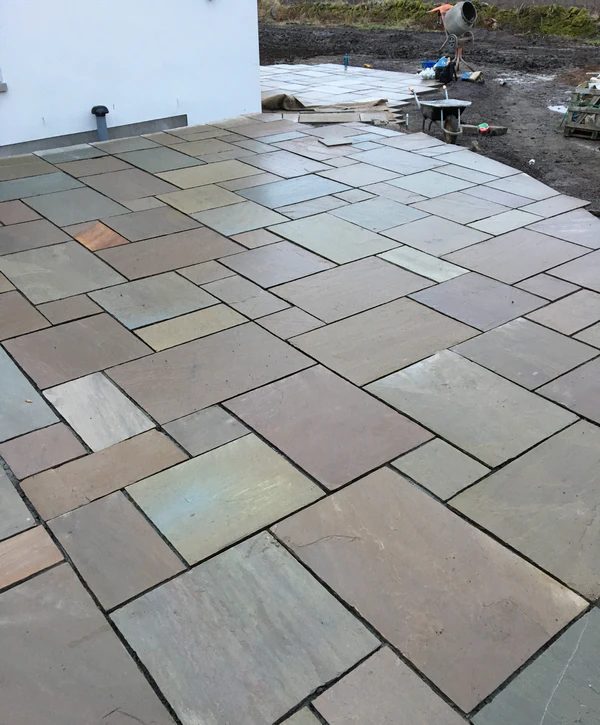
Site Pros Landscaping, Your Paver Sealing Specialists
We’ve been working across Central Florida long enough to know what the heat, afternoon thunderstorms, and sandy soil do to paver installations over time.
Every project teaches us something, and that experience shapes how we approach every single seal job, whether it’s a pool deck, a driveway, or a patio.
We bring that knowledge to your property and treat it as if it were our own. And our clients stick with us because we don’t cut corners on prep, product, or communication.
We show up when we say we will, use sealers that actually hold up against Florida weather, and leave your property cleaner than we found it
- 6+ years of landscaping expertise
- Premium, weather-resistant sealers
- Fast turnaround
- Thorough prep work
- No surprise chargers
- Friendly, straightforward service
Why Should You Seal Your Pavers?
Here's what sealing actually does for your pavers:
- Shields against UV fading, keeping colors vibrant year after year
- Locks the joint sand in place, preventing shifting and weed growth
- Repels oil, grease, and stains, making cleanup dramatically easier
- Reduces efflorescence, that chalky white residue that shows up on bricks
- Extends the overall lifespan of your paver installation
- Enhances the natural color and texture of your pavers with a subtle sheen
Homeowners who invest in regular sealing every two to three years avoid the costly repairs and full re-installations that come from years of neglect.
It’s simple: a small upfront cost now saves a significant one later.
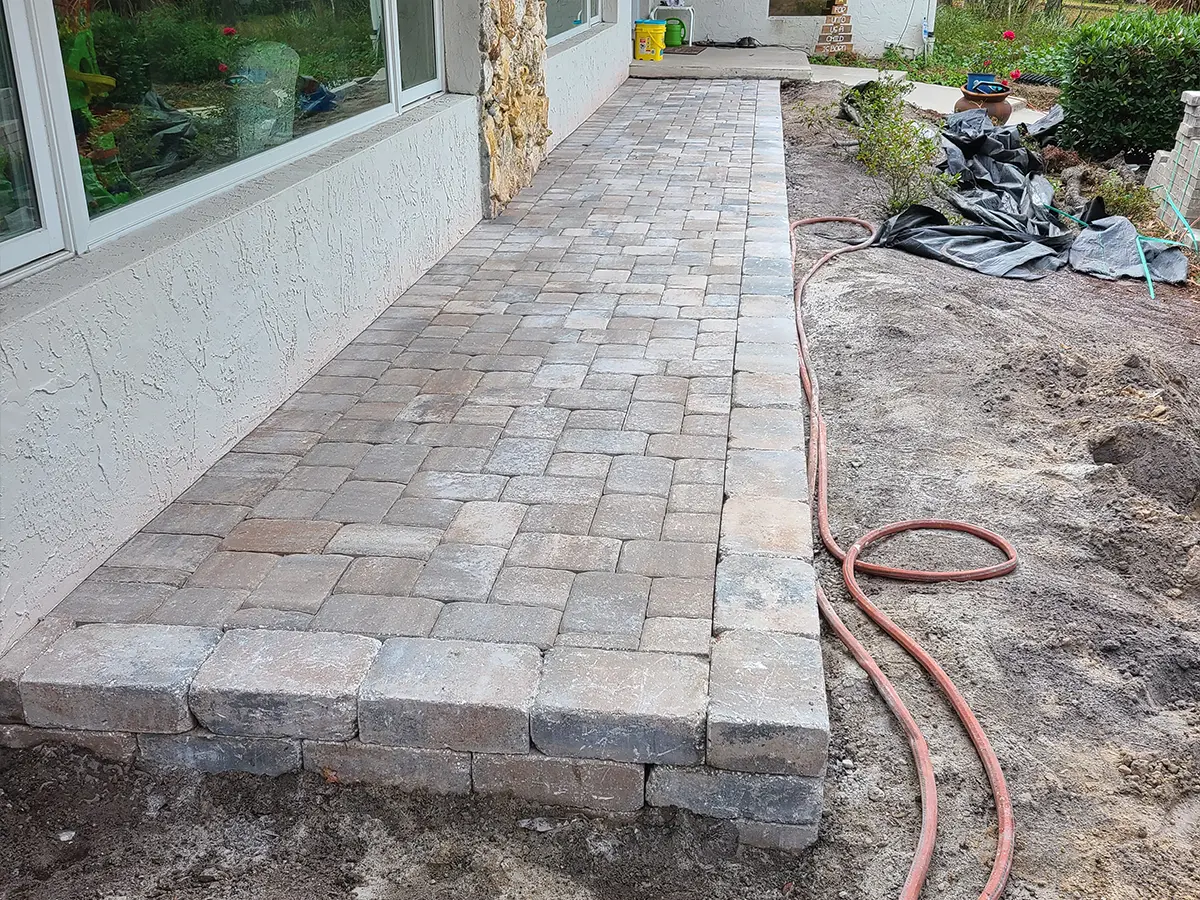
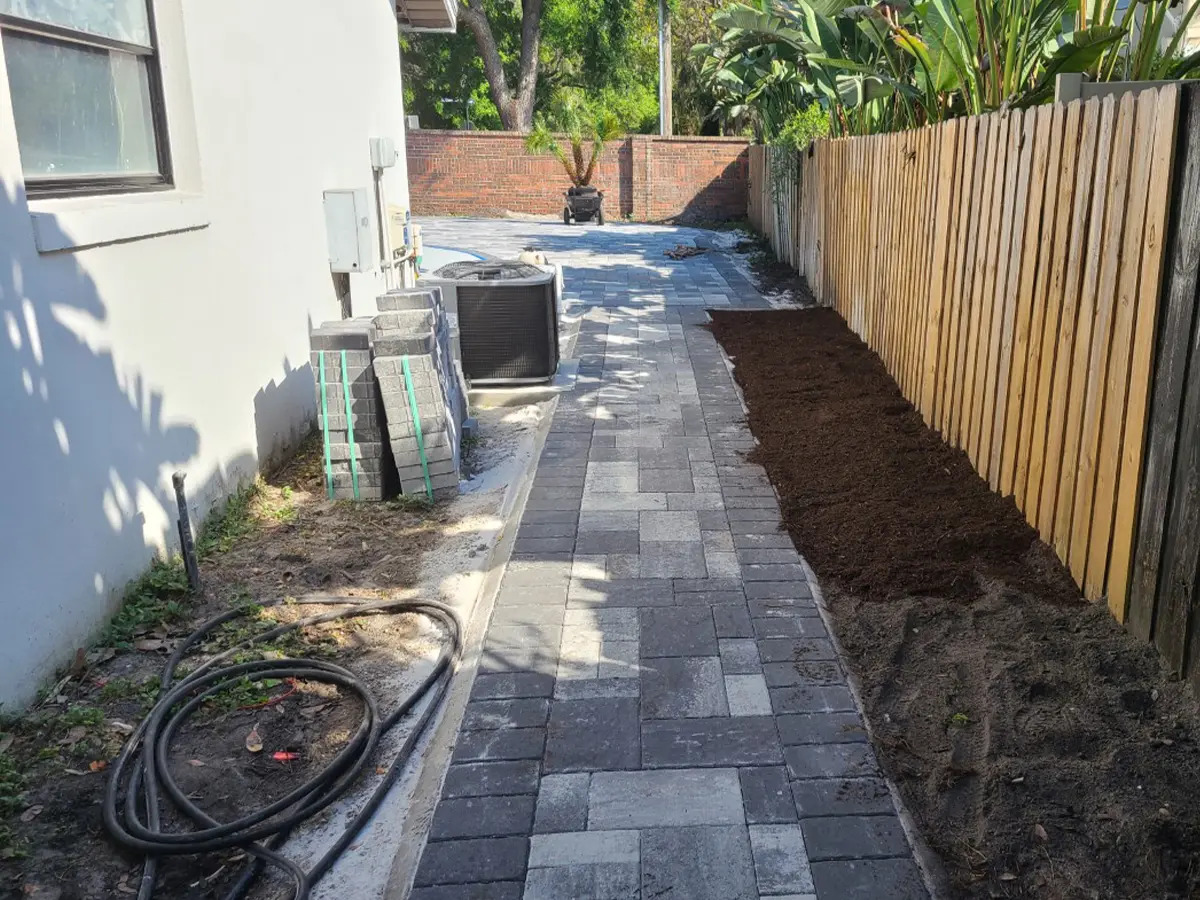
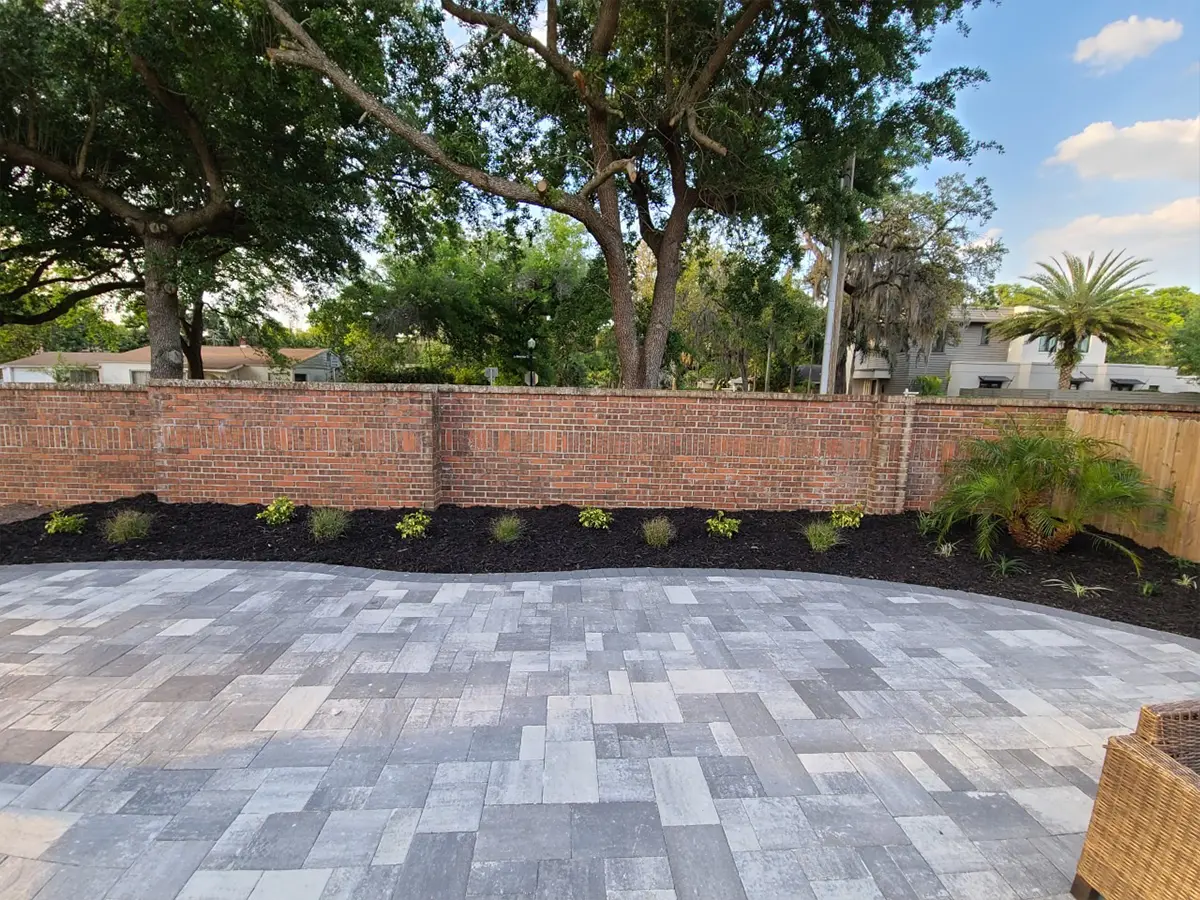
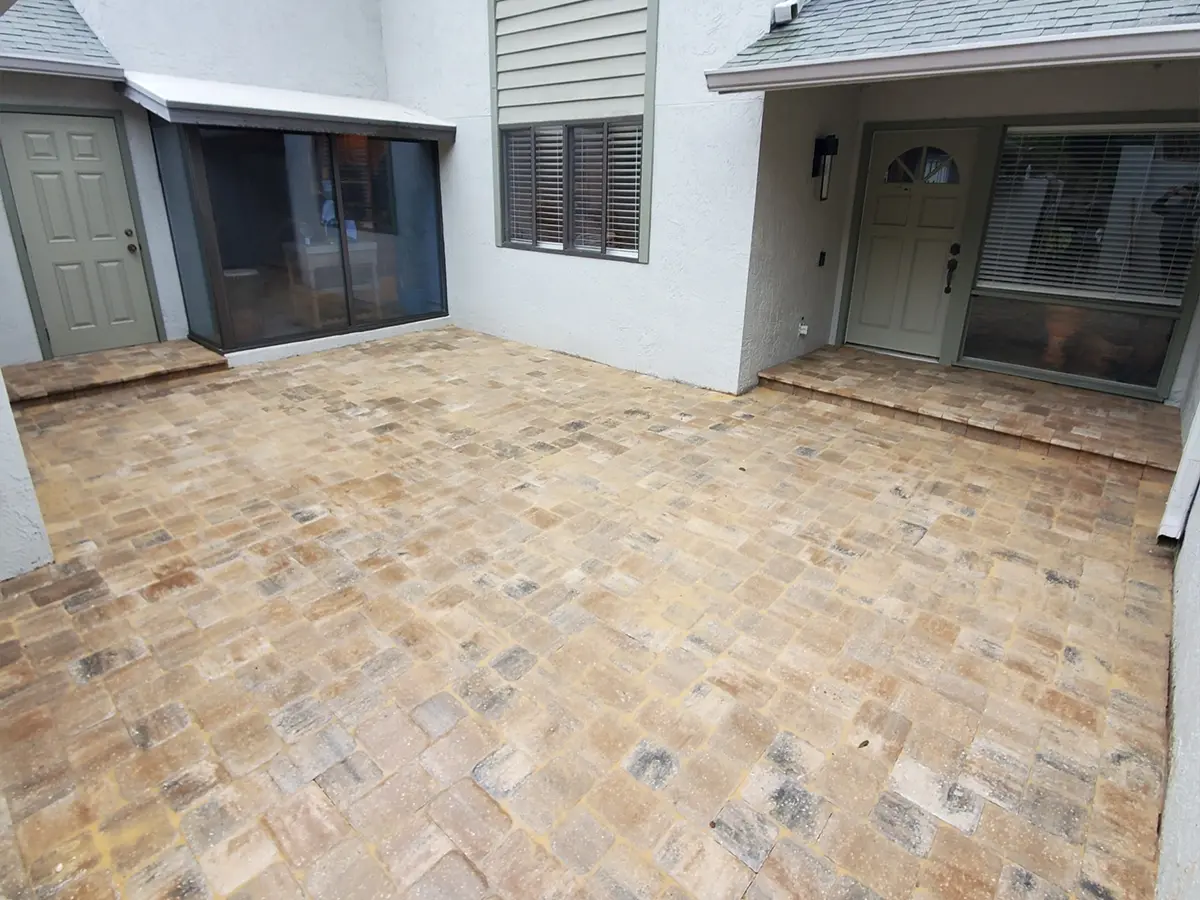
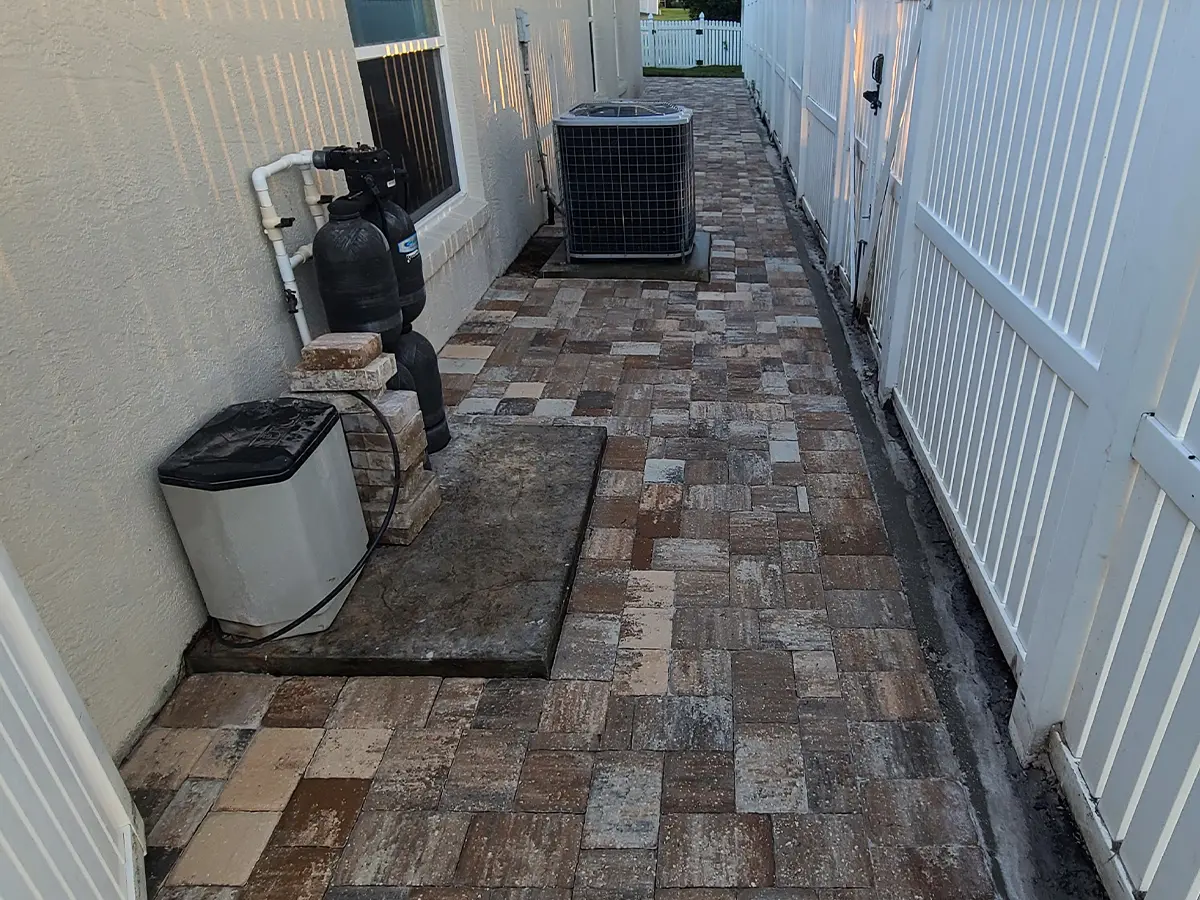
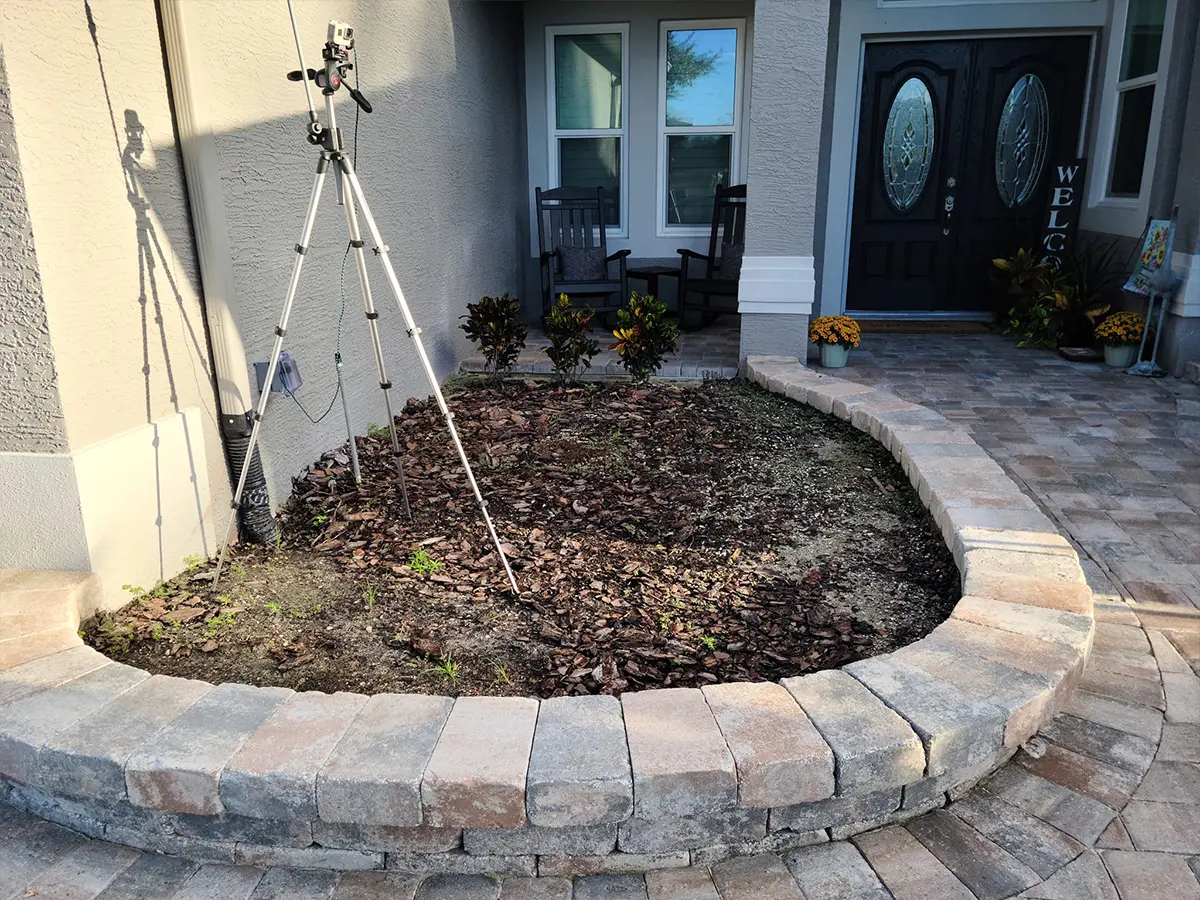
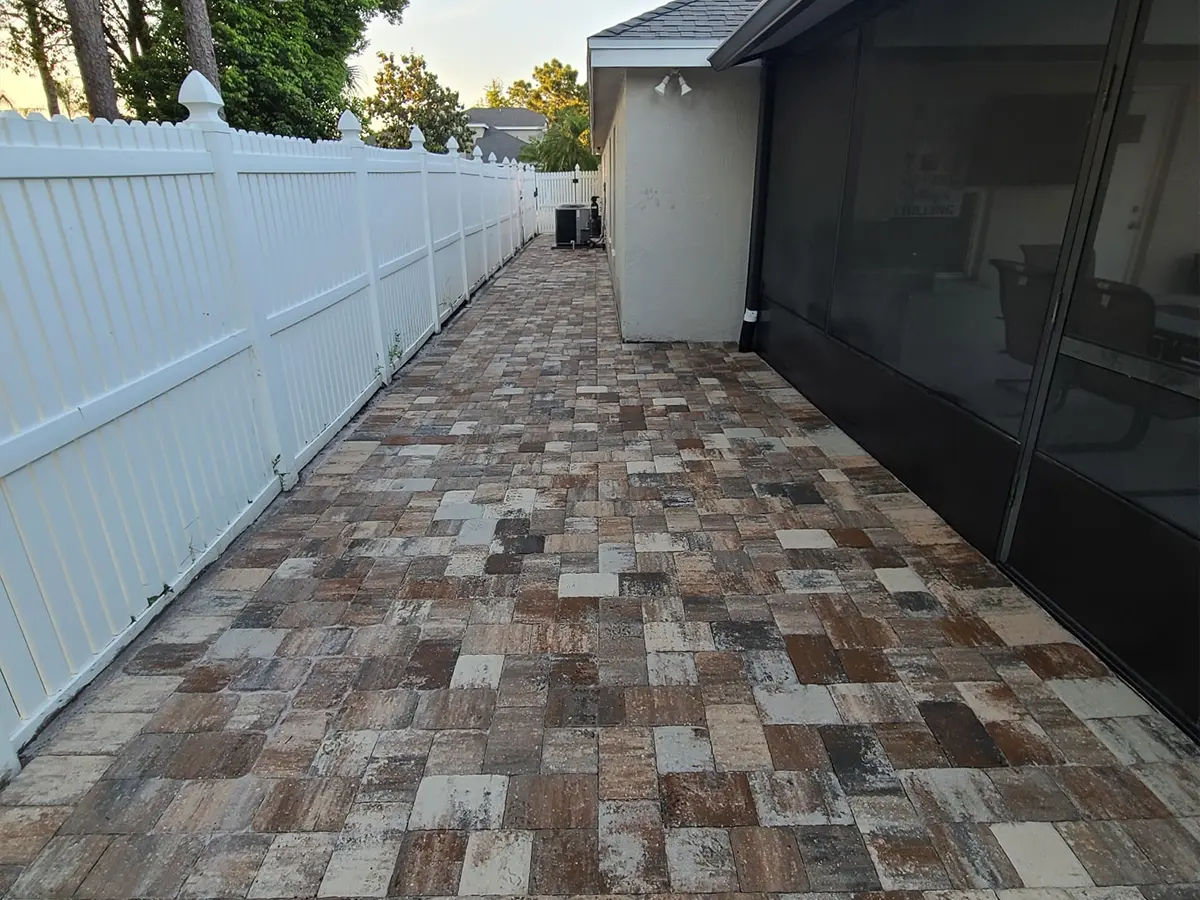
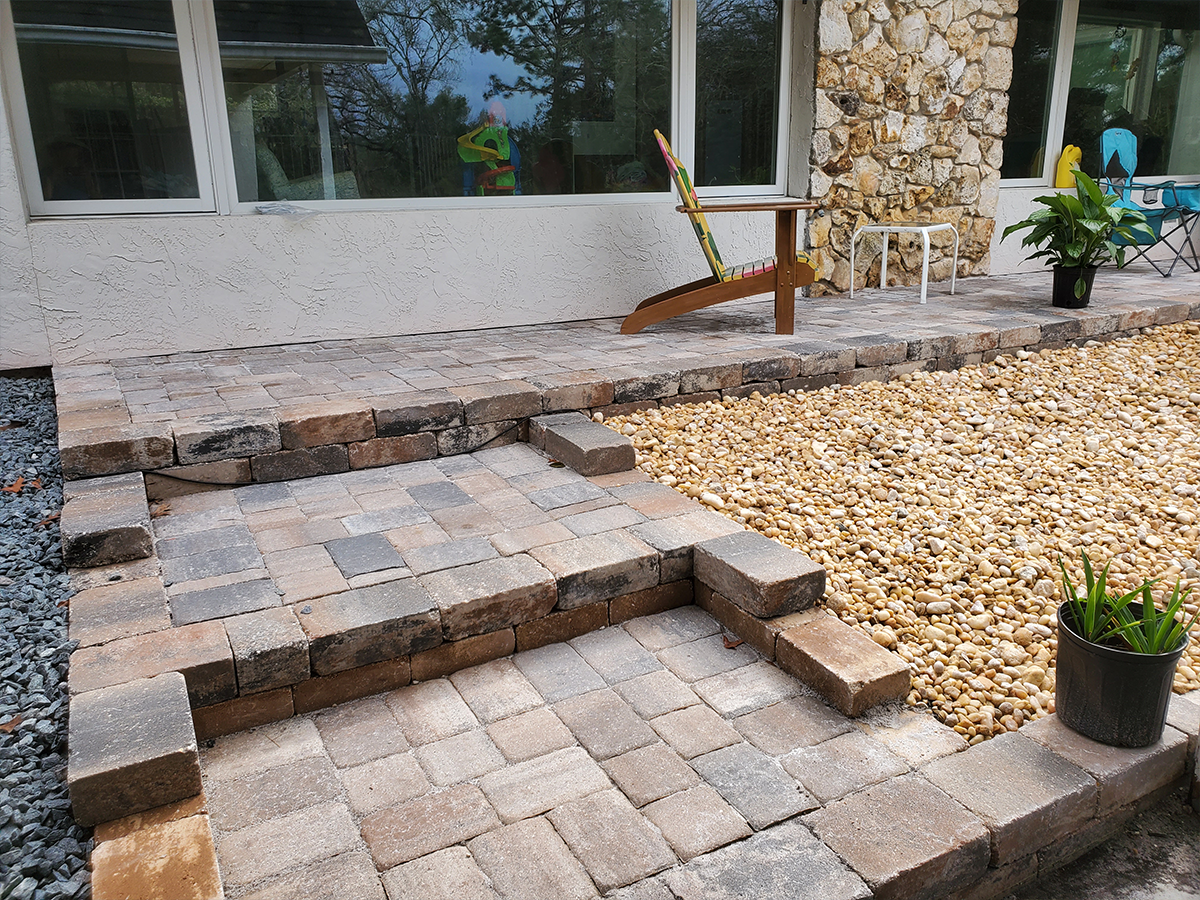
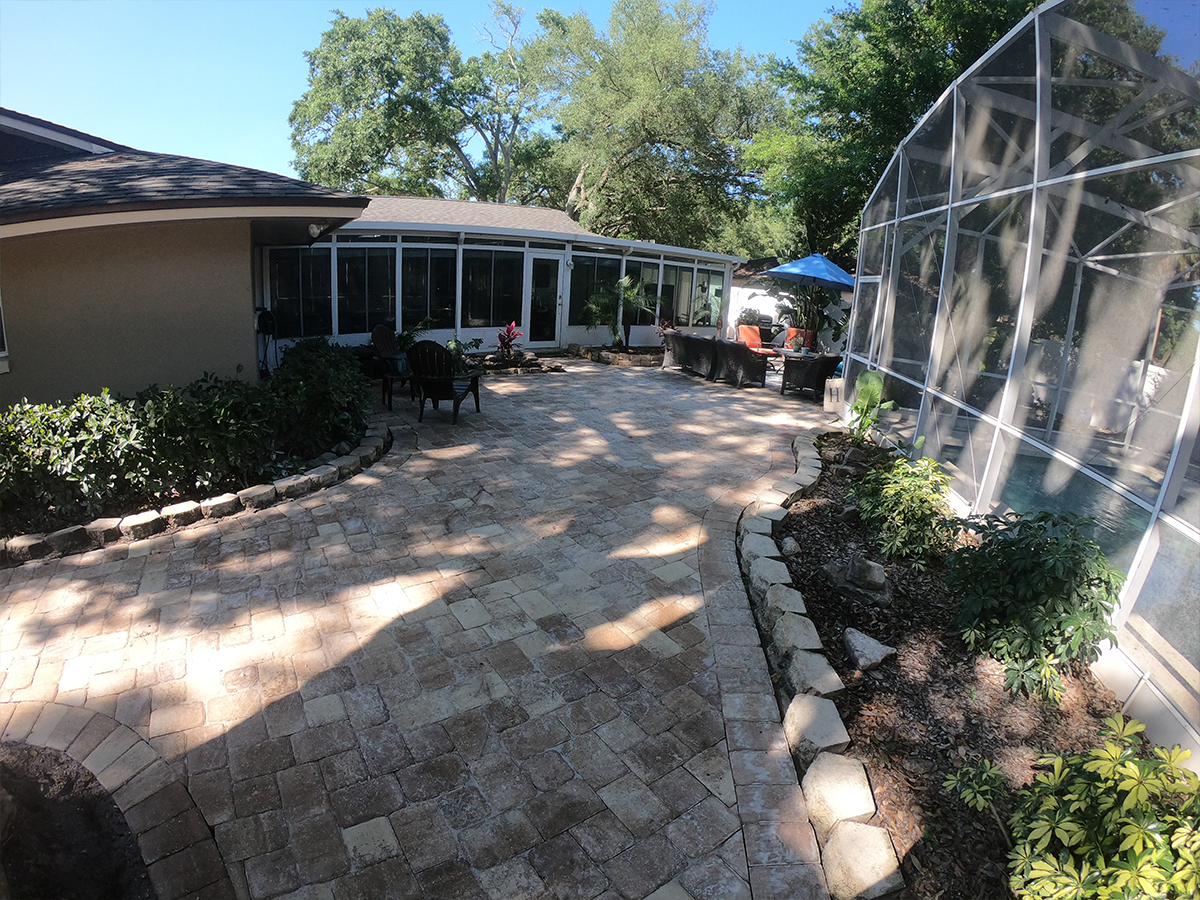
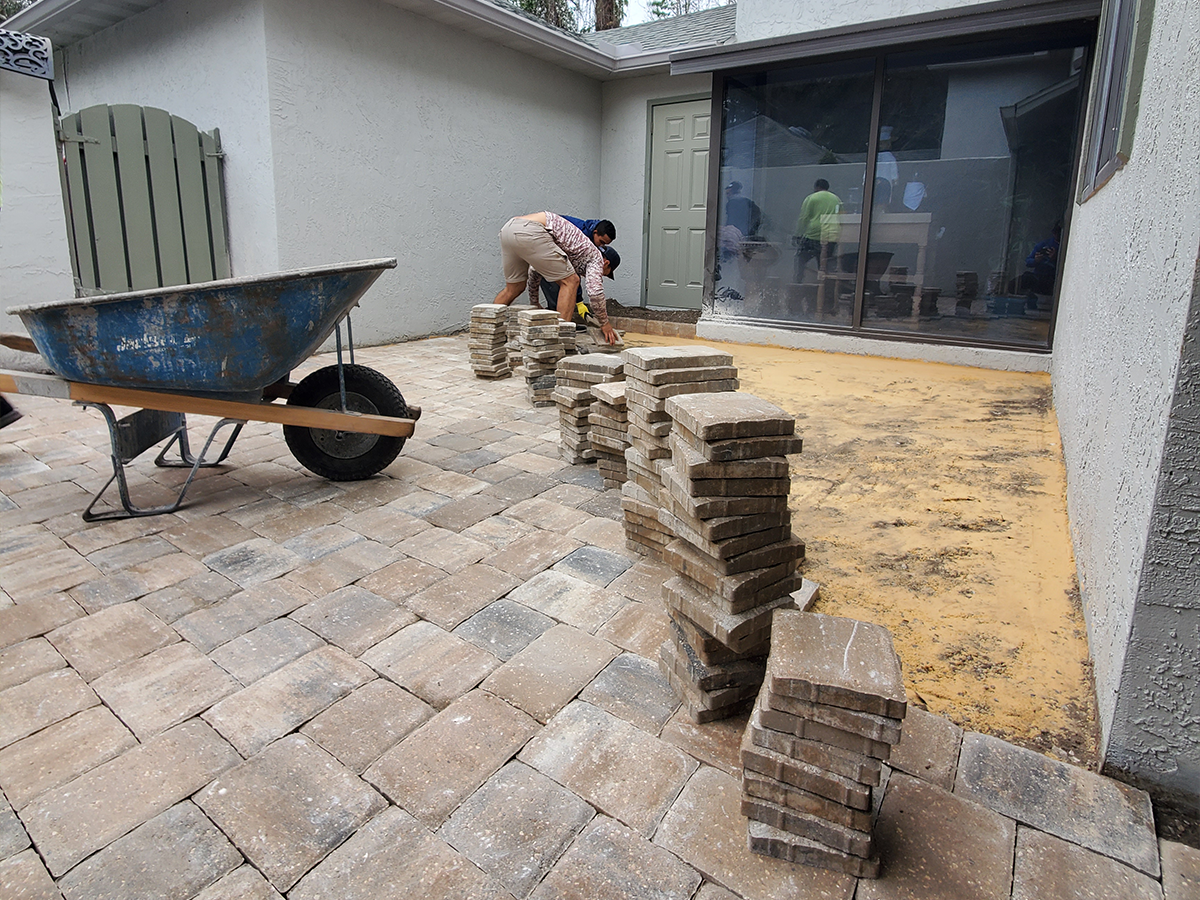
See Our Paver Work in Central Florida
1-year




What Homeowners in Central Florida Say About Us
d
Debbie Brantley
Zach and Alissa were wonderful throughout the entire pond building process.
They took our vision and created an amazing space for us to enjoy in our backyard. They far exceeded our expectations so much we are already planning our next project with them!
They are truly talented professionals and we highly recommend them if you are considering any pond, water feature or landscaping project!!
k
Kenny S
Zach and Alyssa are true artists in the pond Aquascape space.
I had no idea how far ponds had changed since the days of the hard plastic mold.
They transformed my backyard in 7 days from nothing, to a creek in the Rocky Mountains.
They worked endlessly to make sure it was perfect and I can’t thank them enough.
What is That White Stuff All Over My Bricks?
That’s efflorescence: a chalky, powdery white film creeping across your pavers. It’s one of those things that looks alarming but is actually pretty common, especially here in Florida.
Here’s what’s happening beneath the surface: water moves through your paver base, picks up soluble salts and minerals, and carries them upward. When that water evaporates at the surface, it leaves those minerals behind as a white residue.
The good news: it’s treatable, and sealing is one of the best ways to minimize its return. Here’s how we handle it:
- Start with a thorough cleaning using an efflorescence remover
- Allow adequate drying time before applying any sealer
- Apply a penetrating sealer that reduces moisture migration from below
- Replenish the polymeric sand in the joints to reduce water infiltration
How Much Does Paver Sealing Cost in Central Florida?
Paver sealing in Central Florida typically ranges from $0.50 to $1.50 per square foot for standard concrete or brick pavers.
Natural stone and more involved prep work, such as heavy efflorescence treatment or extensive joint sand replacement, can push that higher.
These figures are based on past project estimates, and your specific project will vary depending on its scope.
Five factors that tend to affect the final cost:
- Square Footage: Larger areas cost more in total, though the per-square-foot rate often decreases as the project scales. A 500-square-foot pool deck and a 2,000-square-foot driveway will be priced differently per unit.
- Paver Condition and Prep Required: A surface that's been recently cleaned and is in good condition needs minimal prep. If there's heavy staining, algae growth, significant efflorescence, or erosion of the joint sand, the prep time increases, and so does the cost.
- Type of Paver Standard concrete pavers are the most straightforward to seal. Natural stone, travertine, and specialty surfaces require specific products and sometimes multiple treatment steps, which affect the overall price.
- Number of Coats Most residential jobs require two coats for full protection. Some surfaces in particularly good condition may only need one; others in rougher shape may benefit from a third. We'll recommend what the surface actually needs.
- Accessibility and Layout Complexity Wide-open driveways are quick and efficient to seal. Intricate patterns, tight edges around pools, or curved walkways with lots of cuts take more time and care. That additional labor is reflected in the quote.
Best Sealing Options for Different Types of Pavers
Not every sealer works well on every surface, and the wrong product can actually cause more problems than it solves. Over the years, we’ve tested many products and settled on those that consistently perform best in Central Florida’s climate.
Concrete Pavers (Tremron, Cambridge, etc.)
Travertine and Natural Stone
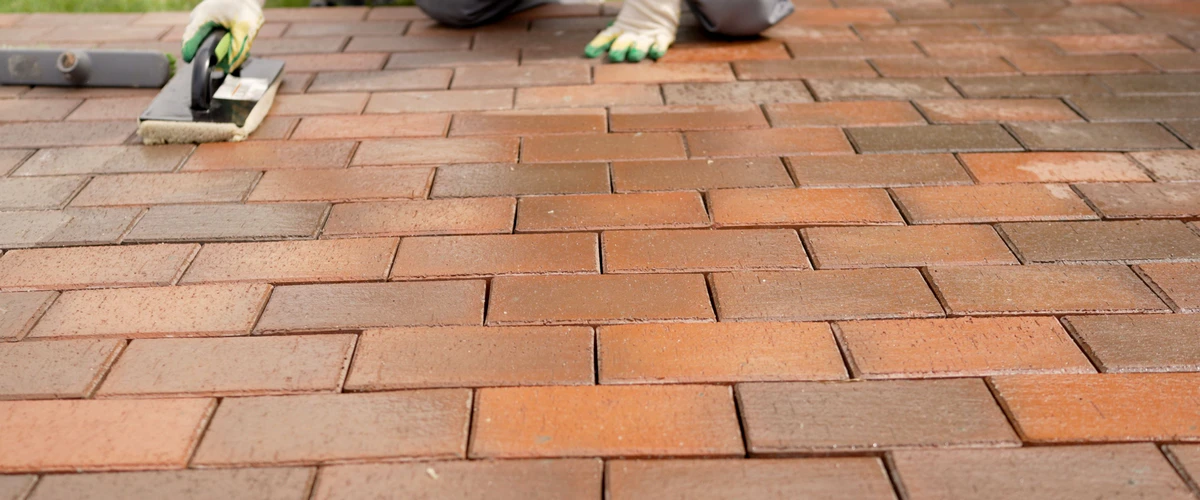
Brick Pavers
Porcelain Pavers
Realistic Timelines and Costs
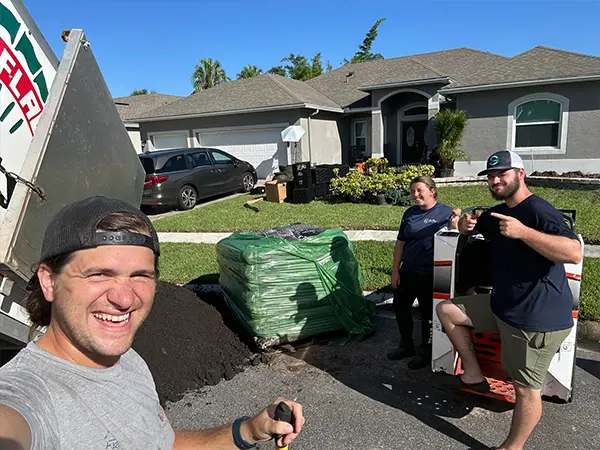
Our Paver Sealing Process
1
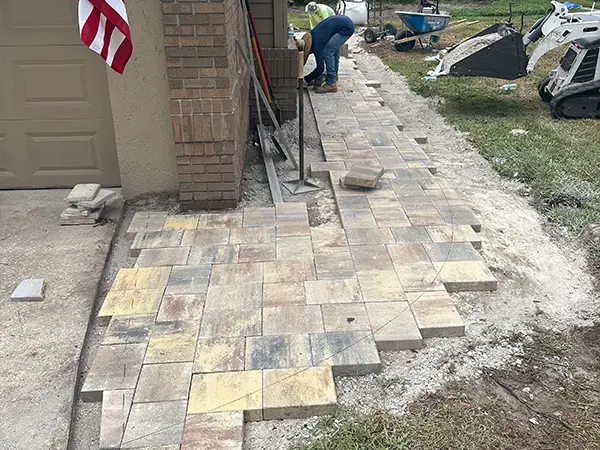
Assess
2
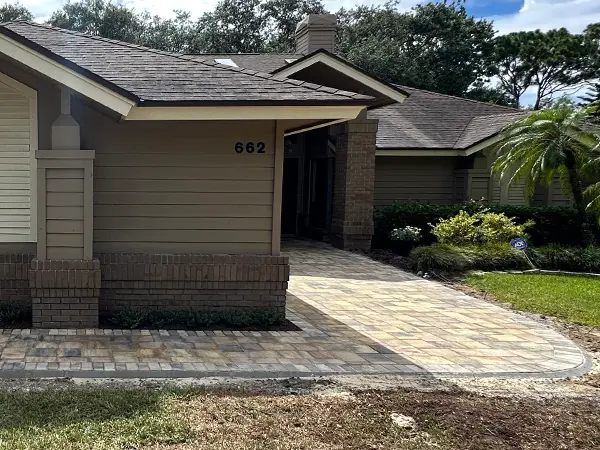
Seal
3
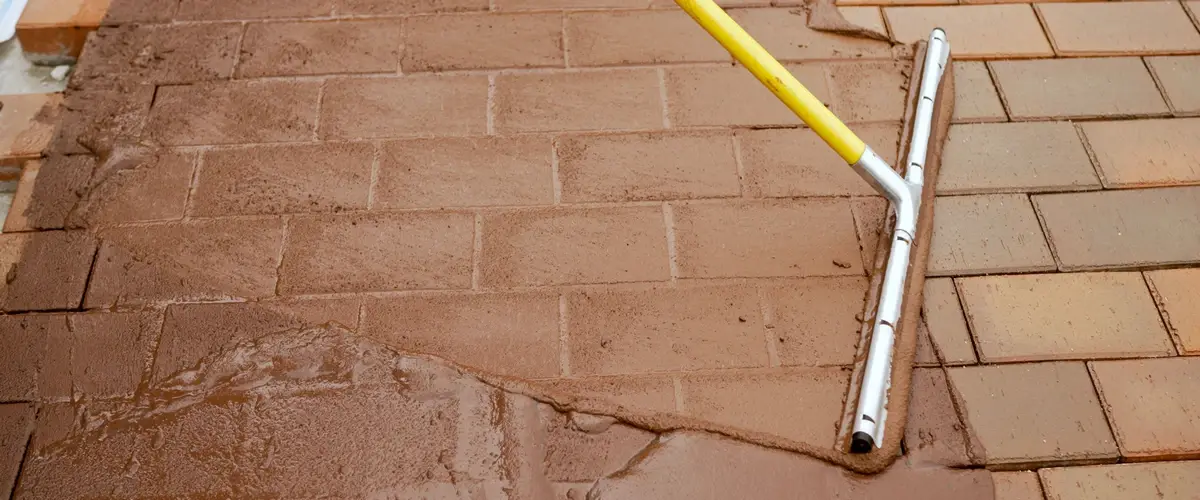
Enjoy
Common Questions About Paver Sealing in Central Florida
In Central Florida’s climate, most pavers benefit from resealing every two to three years. That said, the right interval depends on your paver type, the sealer used, and the amount of traffic the surface gets. We’ll give you an honest recommendation after the initial assessment.
Generally, new pavers need to cure and settle before sealing, usually around 90 days. Sealing too early can trap moisture and prevent proper curing, which leads to problems down the line. If your pavers are freshly installed, we’ll let you know the right time to schedule the seal job so you get the best possible result without the risk.
A good water-based sealer applied at the right thickness won’t create a slippery surface. We choose products specifically rated for traction in wet conditions.
They’ll still function, but they’ll age faster. Without a sealer, UV rays fade the color, rain washes away the joint sand, and weeds take root between the joints. Sealing adds a protective layer that keeps your pavers looking sharp.
Zachary Watson
Your Pavers Are Worth Protecting. Let's Get It Done
If you’ve been thinking about paver sealing, now’s a good time to stop putting it off. The longer your pavers are exposed to fading, staining, and joint erosion, the harder and more expensive they are to fix.
Give us a call or visit our contact page here to get the conversation started. We’ll come out, take a look, and put together a quote based on exactly what your pavers need.