
Koi Pond Pump Stopped Working? Here's What to Do
Nothing throws a pond owner into a panic faster than noticing their pond pump stopped working, especially if you’ve got a beautiful koi pond full of lively fish. Your pump isn’t just there to make your pond look nice; it’s essential for maintaining healthy water circulation and oxygen levels for your koi.
But don’t worry. If your pump suddenly gives out, it’s not the end of the world… or your pond. Here’s what we at Site Pros Landscaping recommend to protect your koi and get your system running smoothly again.
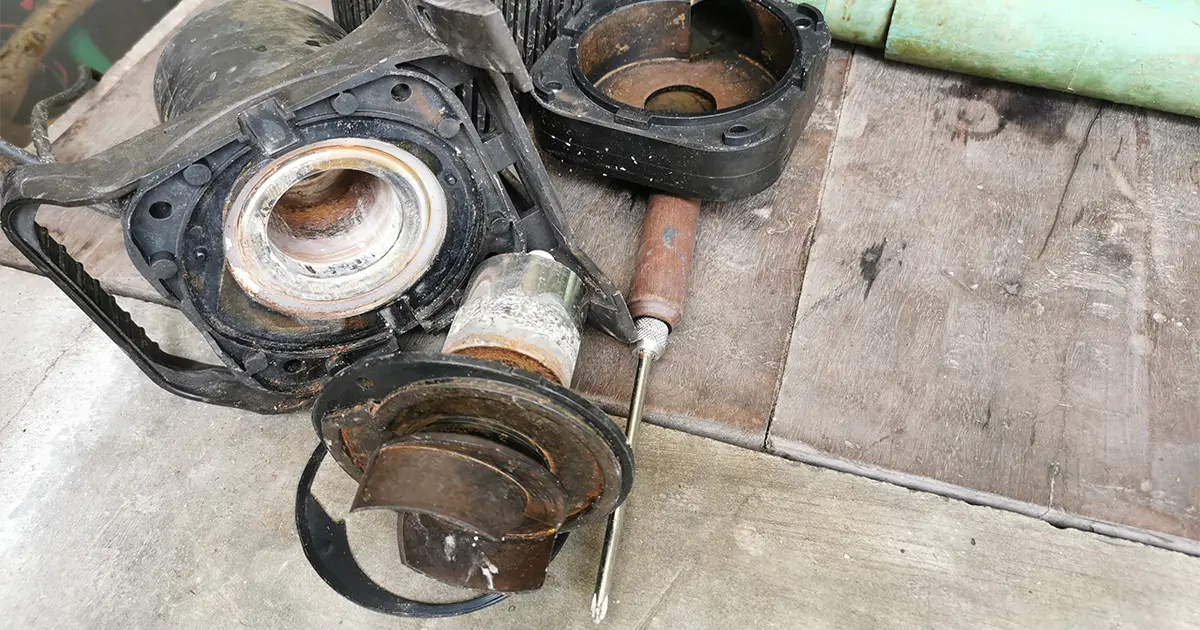
Step 1: Inspect Your Pump for Debris and Damage
One of the most common issues we see? Debris buildup around the pump’s intake or impeller. It happens all the time.
- First, shut off and unplug your pump.
- Carefully remove it from your pond and give it a thorough inspection.
- Clear away any leaves, algae, or muck clogging the intake.
- Check for visible signs of damage, such as cracks or broken components, which could also lead to a malfunction.
- After cleaning, plug your pump back in briefly to see if it works. If it's still not operational, it might be time to call a professional or replace the pump.
Step 2: Quickly Set Up an Alternative Oxygen Source
When your pump stops, your koi start losing oxygen quickly. This is the moment where fast action really matters.
That’s why we always recommend keeping a backup battery-powered or electric air pump on hand. If you’ve got one, now’s the time to use it. Get it running right away to keep oxygen levels stable while you sort out the main pump situation.
Also Read: How to Take Care of a Koi Pond
Step 3: Maintain Good Water Quality
No filtration means your pond’s water can go downhill quickly. Here’s how to help your koi ride out the situation:
- Temporarily Stop Feeding the Fish: Koi produce more waste when feeding, which can pollute the water quickly without filtration.
- Do Regular Partial Water Changes: Frequent partial water changes help dilute harmful toxins.
- Regularly Test Water Parameters: Monitor ammonia, nitrite, and nitrate levels closely to make sure your pond environment remains safe for your fish.
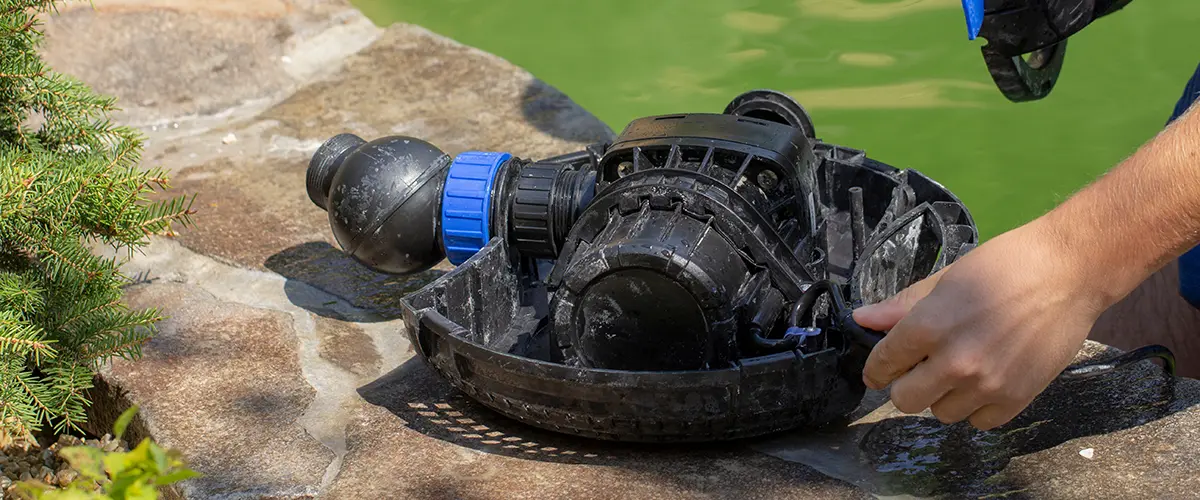
Step 4: Check Your Electrical Connections
Sometimes the issue can be electrical rather than mechanical. Inspect your power outlet, connections, and the pump’s power cord for any visible damage or loose wires.
Make sure your ground fault circuit interrupter (GFCI) hasn’t tripped, and reset it if needed. Replace any faulty wiring or cords promptly to prevent future issues.
Also Read: 15 Signs Your Pond Needs Repair
Step 5: Consider Using Temporary Filtration
If repairing or replacing your main pump is taking longer than expected, temporary filtration can be a lifesaver. Smaller, portable filtration units help keep the water clean and clear of harmful toxins until your primary system is operational again.
How to Prevent Future Problems
Once everything’s back on track, think about futureproofing. Keeping spare equipment like air stones or a backup pump on hand can give you peace of mind.
And don’t skip maintenance. A monthly clean and seasonal check-in can help your pump last longer and catch small issues before they turn into emergencies.
Signs It's Time for a New Pump
Once you have worked through the diagnostic steps, here is how to read what you find.
Replace the pump when:
- The GFCI trips repeatedly immediately after reset, water has entered the motor through failed seals, and the pump is both non-functional and a safety hazard
- The pump ran dry for an extended period (hours) and now does not start, motor windings have burned out
- The pump ran for years on a long extension cord and the motor now has no output despite clean impeller and clear intake, the motor has gradually degraded from sustained voltage drop
- The impeller is cracked or its blades are severely damaged, replacement impellers cost significantly less than a new pump, so order the impeller first if the motor still runs
Also Read: How To Find A Leak In A Pond
Choosing a Replacement Pump
When a pump is confirmed dead and you need a replacement, size it correctly rather than just matching the old model. If you’re unsure whether the pump has failed completely or can still be salvaged, a pond pump repair professional can diagnose the issue before you invest in new equipment.
A koi pond pump should turn over at least 1.5 times the pond’s total volume every hour. For a 1,500-gallon pond, the pump needs at minimum 2,250 gallons per hour (GPH) at the head height from the pump to the top of the waterfall.
Head height matters. A pump rated at 2,500 GPH at zero head (no vertical lift) might only deliver 1,500 GPH at a three-foot head. Check the pump’s performance curve — a chart in the product specs — not just the maximum flow rate.
Magnetic-drive pumps are more energy-efficient than direct-drive pumps and generate less heat internally, making them better suited to Florida’s year-round warm water temperatures where pump overheating is a more common concern. They also tend to run longer between service intervals.
Frequently Asked Questions
Start by unplugging it and pulling it out of the pond. If it’s clogged with leaves, algae, or sludge, that could be all that’s wrong. Give it a thorough clean, then plug it back in to test. If it still won’t run (or it’s making strange noises), it might be time for a replacement or professional repair.
Not very long, especially in warm weather. Without water movement, oxygen levels drop fast, and your koi can get stressed or even suffocate. That’s why having a backup air pump or oxygen source ready is so important. You’re buying time until the main pump is back up.
It’s best to hold off. Feeding adds more waste to the water, and without filtration, it builds up quickly and affects water quality. Focus on keeping the water clean until the pump is running again. Your fish will be just fine skipping a few meals.
Yes, and we recommend it if the delay is more than a day or two. Small, portable filtration systems can help remove toxins and keep the water clearer while your main system is down. It won’t be perfect, but it’s much better than doing nothing.
Need Expert Help?
Your koi are depending on you, but that doesn’t mean you have to do it alone. If you’re stuck or unsure, we’re just a call away. At Site Pros Landscaping, we’ve helped plenty of pond owners in Central Florida get through pump emergencies, and we’re happy to do the same for you.
Contact us today to restore your system or design a better one with our expert pond repair and pond building services. Call us at (407) 480-0713! We’re ready to help you protect your fish and enjoy your pond again.