
Let’s talk about ponds. They’re peaceful, beautiful, and can make any backyard feel like a little getaway. But just like any outdoor feature, ponds can run into problems over time.
And when something’s off, the pond usually gives you a few early signs. You just need to know what to look for.
If you’ve got a pond and you’re not sure how healthy it really is, this guide will help. We’ll cover the most common pond problems homeowners run into and the key signs your pond may need repair. Let’s jump in.
Common Pond Problems Homeowners Run Into
Before we get into the signs, it helps to understand the issues that usually cause trouble in backyard ponds.
Most pond problems come from a mix of water quality changes, equipment failure, and natural wear over time. When these issues build up, the pond starts showing clear warning signs.
Some of the most common pond problems include:
- Water leaks from a damaged liner
- Murky or discolored water
- Algae overgrowth
- Pump or filter failure
- Low oxygen levels affecting fish
- Erosion around the edges
- Clogged waterfalls or water features
These problems usually don’t show up all at once. They start small and get worse over time, which is why spotting the early signs makes repairs easier and helps keep the pond healthy.
Signs Your Pond Needs Repair
Most pond issues start small and gradually worsen until they begin showing clear warning signs. If you understand what to look for, you can catch problems early and prevent bigger repairs later.
Below are the most common signs that a pond needs attention.
1. Pond Water Level Keeps Dropping
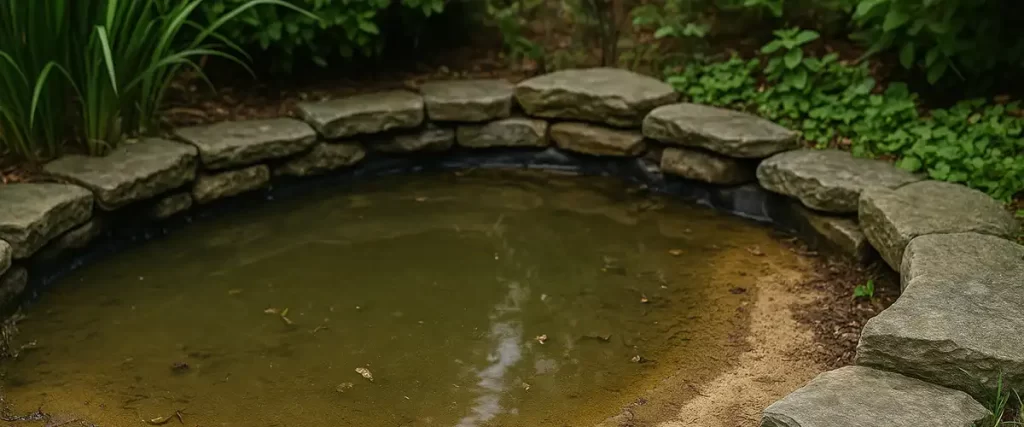
If you’re noticing that your pond water is going down faster than it should, that’s a big red flag.
Sure, some water loss is normal because of evaporation, especially in hot weather. But if the water level keeps dropping even when it’s cool, you might have a leak.
What to Check:
- Look around the edges for wet spots.
- Check if any of the rocks or liners have shifted out of place.
- Inspect the liner for any visible holes or tears.
What to Do:
You might need to patch up the liner or even replace it if the damage is bad. If you’re not sure where the leak is, it might be time to call in a pond repair pro to help find and fix it.
2. Pond Water Turns Murky or Dirty
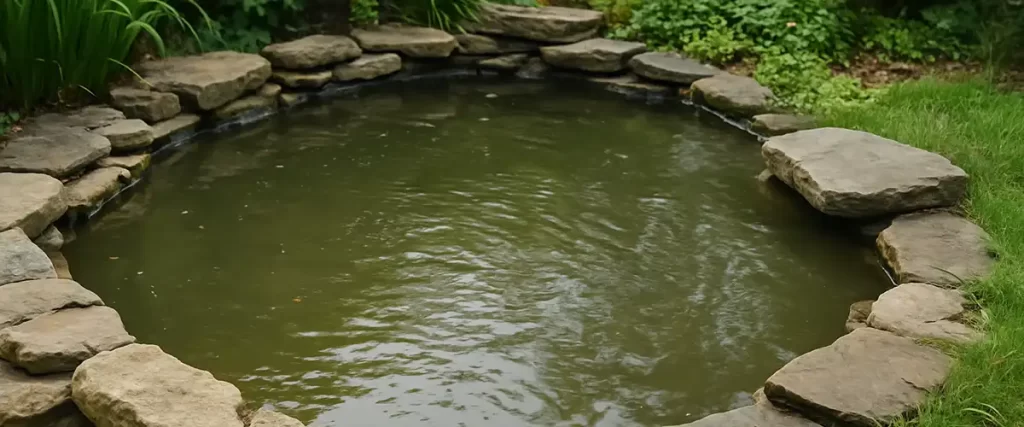
A healthy pond should look clear, or at least clear enough that you can see the bottom if it’s shallow. If your pond water looks murky, brown, or green, it’s usually a sign of an imbalance.
What Causes It:
- Too much algae.
- Buildup of debris like leaves or dirt.
- Issues with the filter or pump.
What to Do:
Start by cleaning out any visible debris. Then check your filter to make sure it’s working properly. If you’re still seeing murky water, you may need to install better filtration or add plants that help keep the water clean.
3. Fish Acting Strange or Dying
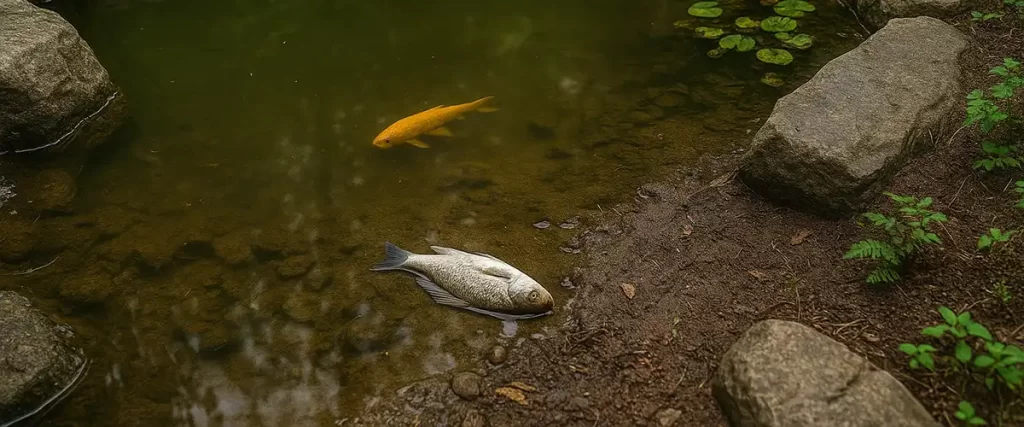
If you’ve got fish in your pond, they’re often the first to let you know something’s wrong. Healthy fish should swim around and seem lively. If they’re floating at the surface, gasping for air, or acting sluggish, that’s a warning sign.
What to Check:
- Water quality. Test for things like pH, ammonia, and oxygen levels.
- Temperature. Hot weather can cause oxygen levels to drop.
- Pump or aerator. Make sure they’re working to circulate the water.
What to Do:
You might need to add an aerator or change out some of the water to balance things out. And if your fish keep struggling, it’s worth getting an expert to test the water and figure out what’s going on.
4. Unpleasant or Rotten Smells Coming From the Pond
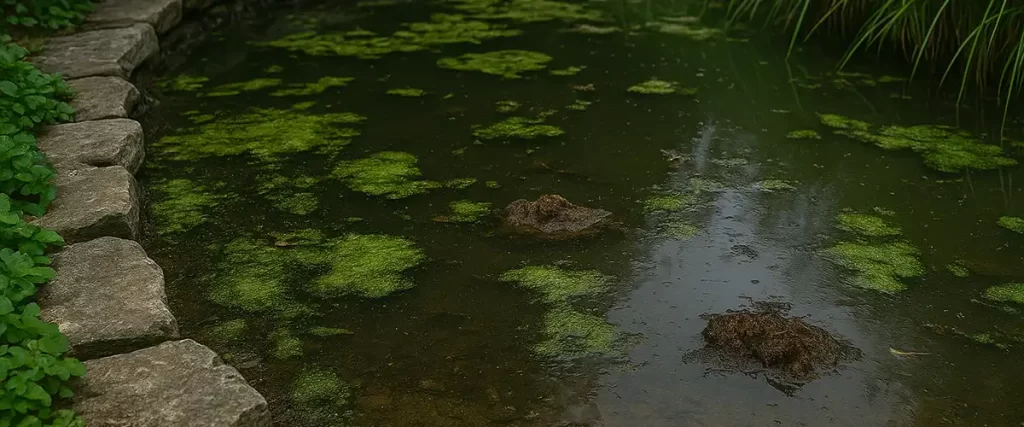
Does your pond smell bad? That’s not normal. A healthy pond might have a slight earthy smell, but if it starts to smell rotten or like sewage, there’s a problem.
What Causes It:
- Decaying plants or dead fish.
- Too much algae breaking down.
- Poor water circulation.
What to Do:
Clean out any dead leaves, plants, or fish. Make sure the pump is moving water properly, and consider adding beneficial bacteria to break down waste naturally.
5. Algae Starting to Take Over
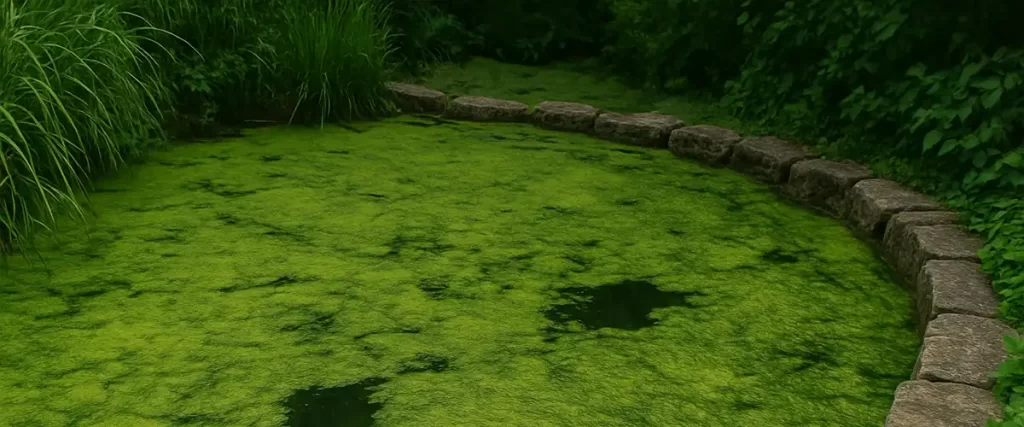
A little bit of algae isn’t a big deal, but if it starts taking over your pond, it can cause all kinds of problems. Too much algae blocks sunlight, reduces oxygen, and can even clog your pumps. It’s one of the most common pond problems in Central Florida.
What Causes It:
- Too many nutrients from fish food or fertilizer runoff.
- Not enough plants to compete with the algae.
- Poor water circulation.
What to Do:
You can physically remove algae, but it’s also important to fix the root cause. Add more plants to absorb excess nutrients, reduce feeding, and make sure your pump is working.
6. Pond Pump or Filter Not Working Properly
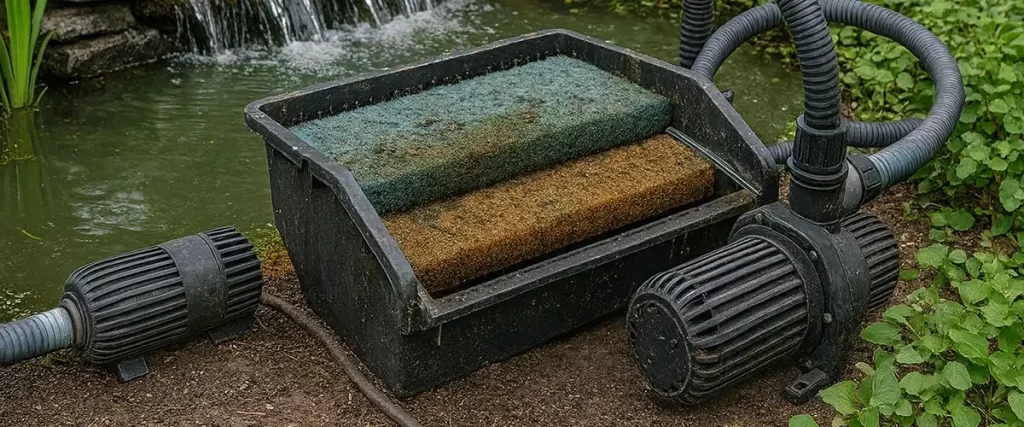
Your pond relies on pumps and filters to keep the water clean and oxygenated. If they stop working, the water can go bad fast.
What to Look For:
- Strange noises coming from the pump.
- Weak water flow.
- Filters clogged with debris.
What to Do:
Clean the filters and make sure the pump isn’t clogged. If it still isn’t working, it might need repairs or a replacement.
7. Pond Plants Struggling or Dying
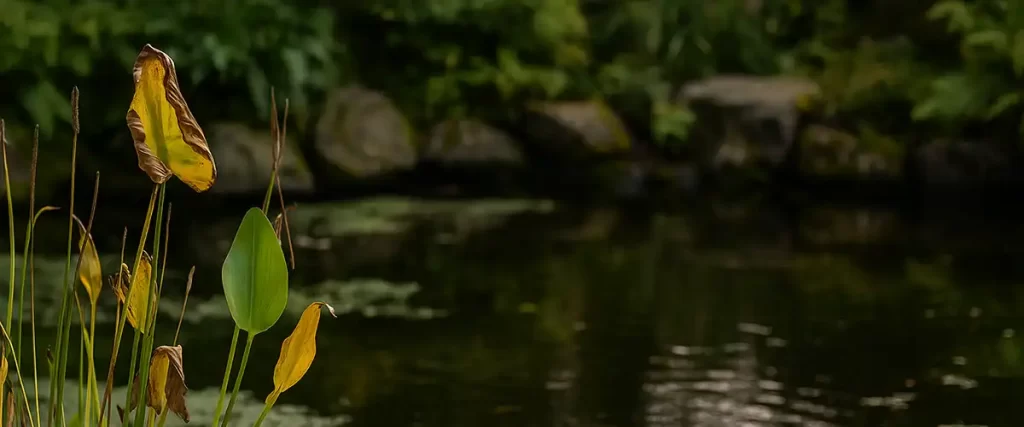
Pond plants are great for keeping the water balanced and adding beauty. But if your plants start to turn yellow, rot, or die, it could mean your pond needs attention.
What Causes It:
- Poor water quality.
- Not enough sunlight.
- Nutrient imbalances.
What to Do:
Test the water to make sure the pH and nutrient levels are right. Trim back any dead parts of the plants, and consider adding fertilizer made for pond plants.
Also Read: What to Do With an Unwanted Pond in Your Backyard
8. Visible Cracks or Liner Damage
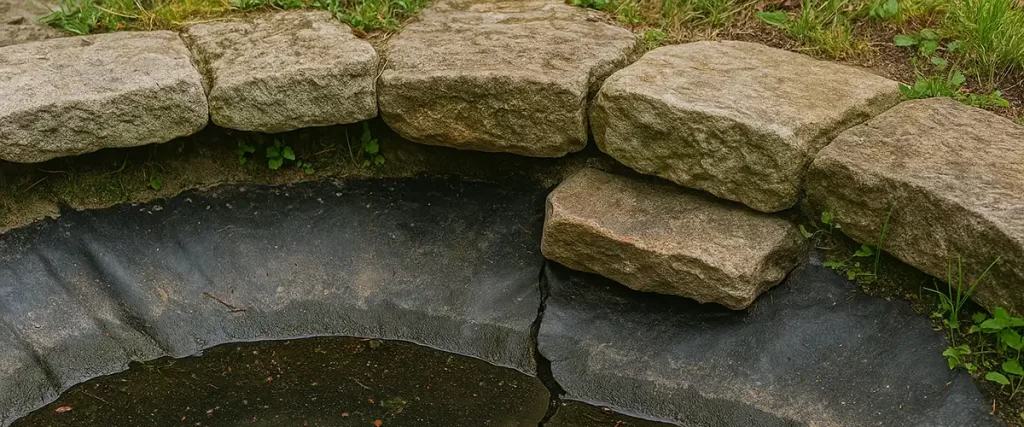
Sometimes the problem isn’t hidden, it’s right there for you to see. Cracks in concrete ponds or damage to liners can lead to leaks and other issues.
What to Look For:
- Cracks in concrete or stone borders.
- Tears in rubber or plastic liners.
- Loose rocks or shifted edges.
What to Do:
Small cracks might be fixable with sealant, but bigger ones might need help from a professional pond repairer. If the liner is damaged, you might need to replace it.
9. Waterfalls or Fountains Losing Flow
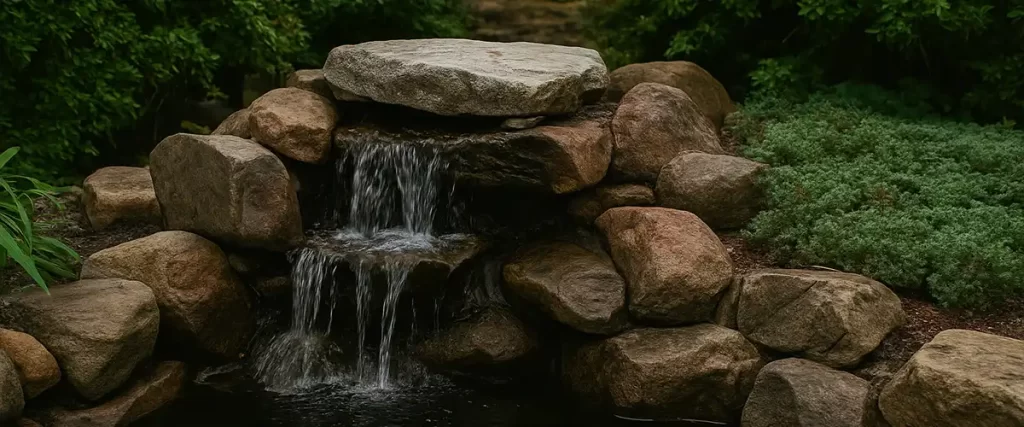
If your pond has a waterfall or fountain, it should flow smoothly. If it’s sputtering, spraying unevenly, or not working at all, something’s up.
What to Check:
- Pump connections and hoses for clogs or leaks.
- Water levels, low water might make it hard for the pump to work.
- Debris blocking the flow.
What to Do:
Clean out any debris and check the pump. If it still doesn’t work, you might need a new pump or professional repairs.
10. Erosion Forming Around the Pond Edges
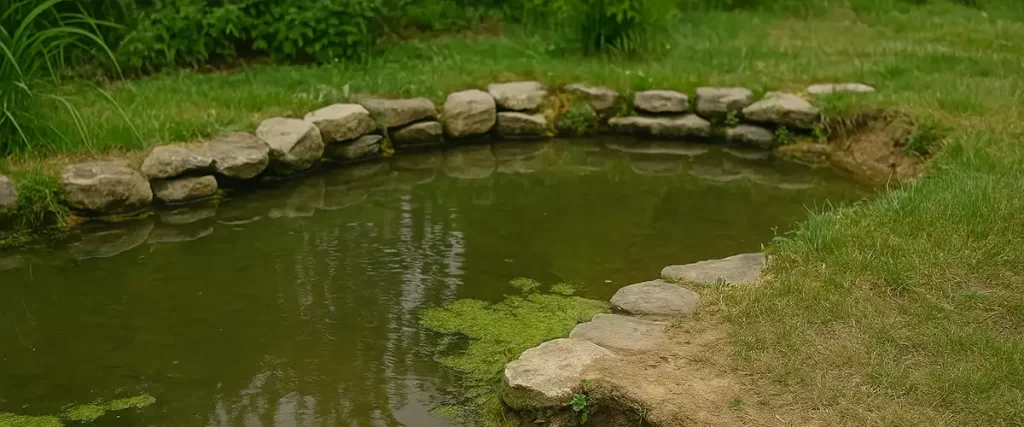
Over time, the edges of your pond can wear down, especially if there’s a lot of rain or runoff. This can make your pond look messy and might even lead to leaks.
What to Look For:
- Muddy or loose soil around the edges.
- Rocks or liners shifting out of place.
- Plants falling into the pond.
What to Do:
Add rocks or edging materials to reinforce the borders, and make sure drainage is set up to keep water from washing out the soil.
11. Pond Water Appears Cloudy or Discolored
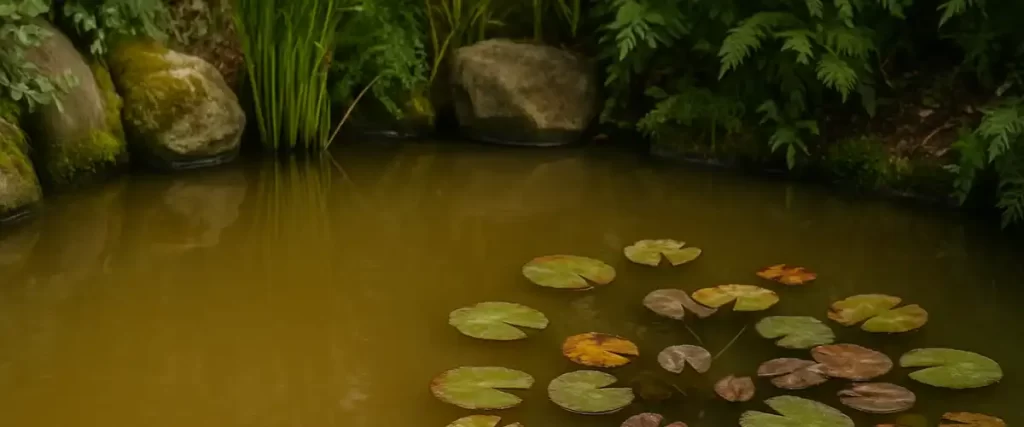
If your pond water looks cloudy, green, or brown, it’s trying to tell you something’s wrong.
What Causes It:
- Dirt or debris stirred up from the bottom.
- Algae blooms caused by too many nutrients in the water.
- Fish waste or decaying leaves breaking down.
What to Do:
Start by skimming out any visible debris. Then, clean or replace your filter if it’s clogged. Adding aquatic pond plants or beneficial bacteria can also help balance the water and prevent algae.
12. Strange Noises From Pond Equipment
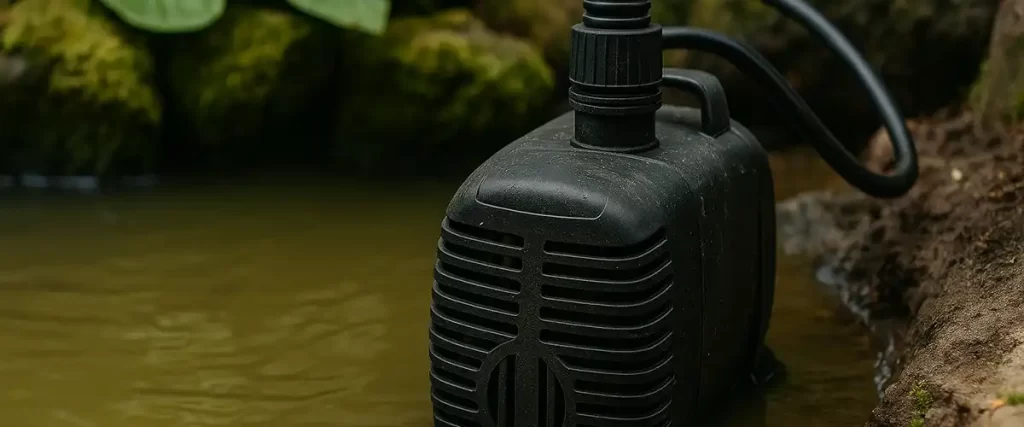
If you hear rattling, grinding, or buzzing noises coming from your pump or filter, don’t ignore it. Those sounds often mean parts are loose, worn out, or clogged.
What to Check:
- Look for debris blocking the pump.
- Check hoses for leaks or cracks.
- Make sure parts like impellers or seals aren’t worn out.
What to Do:
Clean out any blockages and replace damaged parts. If the pump still doesn’t work right, it may be time for a new one.
13. Insects or Pests Increasing Around the Pond
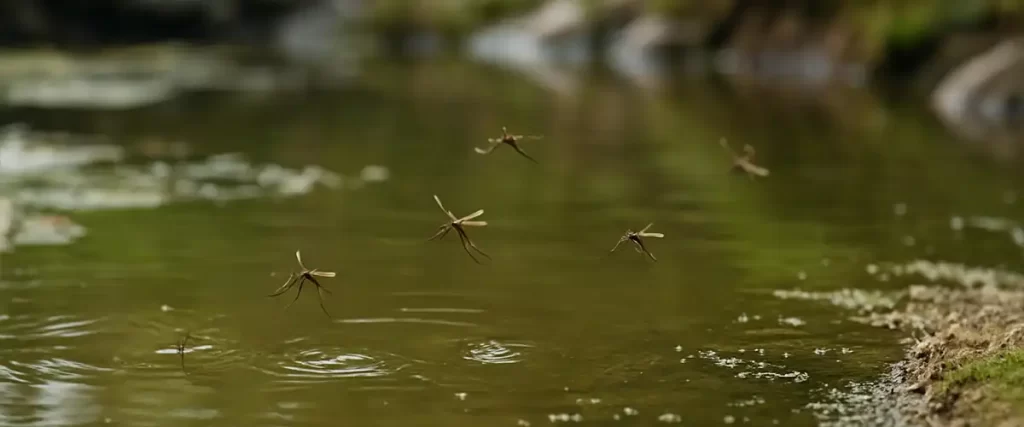
If your pond suddenly has swarms of mosquitoes or other pests, there might be stagnant water or a lack of circulation.
What Causes It:
- Broken pumps leading to still water.
- Buildup of organic debris where insects like mosquitos can lay eggs.
- Overgrowth of algae attracting bugs.
What to Do:
Clean up the pond, get the water moving again, and add mosquito fish if the problem continues. A well-maintained pond won’t attract pests.
14. Foam Building Up on the Pond Surface
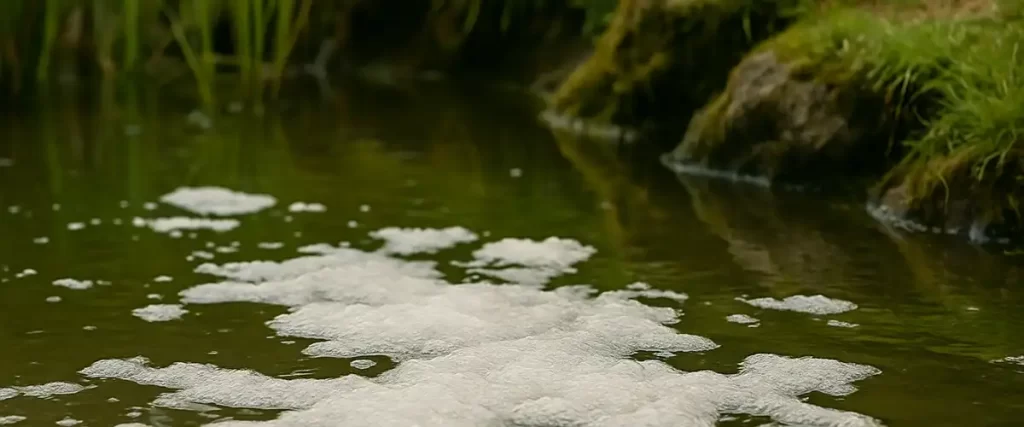
Foam floating on the surface can be a sign of too many organic materials, like fish waste, fertilizer runoff, or uneaten food.
What to Check:
- Water quality and pH levels.
- Filters and pumps to make sure they’re working properly.
- Overfeeding or fertilizer use near the pond.
What to Do:
Cut back on feeding, clean filters, and add beneficial bacteria to help break down organic materials.
15. Pond Water Feeling Slimy or Oily
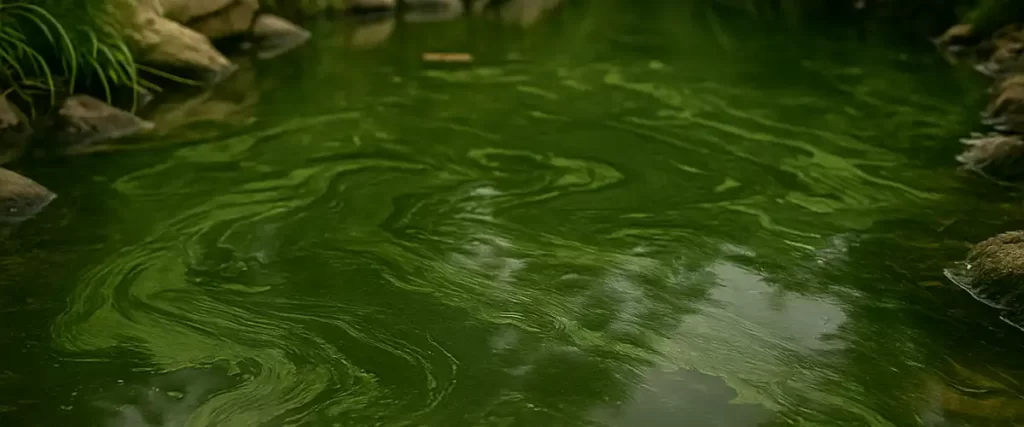
If the water feels greasy or slimy, there may be oils from fish food, sunscreen, or fertilizers contaminating it.
What Causes It:
- Overfeeding fish.
- Fertilizer runoff from nearby plants.
- Sunscreen or oils washing in when people clean the pond.
What to Do:
Skim off the oily layer and test the water quality. Adding plants and bacteria can help break down oils naturally.
Also Read: Key Mistakes To Avoid When Building A Backyard Pond
How to Find the Source of a Pond Leak
Knowing your pond is losing water is step one. Finding exactly where the water is going is where most homeowners get stuck. These methods will help you narrow it down without draining the entire pond.
Step 1: The 24-Hour Level Test
Fill the pond to its normal operating level and mark the waterline with a piece of tape or a grease pencil on a rock. Wait 24 hours without running the pump or adding any water. When you check back, a drop of about a quarter inch or less is normal evaporation in Central Florida’s climate. A drop of an inch or more points to a leak.
Step 2: The Pump Isolation Test
Once you have confirmed the water loss is beyond evaporation, turn off the pump and run the same test again for 24 hours. If the water level holds steady with the pump off, the leak is in the plumbing, waterfall stream, or return lines rather than the pond basin itself. If the water continues to drop with the pump off, the leak is in the pond basin and you need to look at the liner and walls.
Step 3: The Natural Drop Method
If you have determined the leak is in the basin, let the water drop naturally without refilling. Whatever level the water stabilizes at is your clue — the leak point is at or just above that waterline. This tells you which section of the liner or wall to inspect closely rather than checking every inch.
Step 4: Walk the Perimeter
With the pump running, walk slowly around the entire pond edge, the stream bed, and the waterfall. Look for:
- Wet or spongy soil in spots that are not near irrigation
- Rocks that have shifted or settled lower than the surrounding edge
- Any point where the liner lip appears to dip below the waterline
- Visible tears, punctures, or compressed spots in the liner
Take your time with this step. Many leaks are found in the last place you look, which is usually the waterfall edge or the stream liner where water is always moving.
Repair or Renovation
Once you have identified the problem, the next question is whether your pond needs a repair or a more significant renovation. The distinction matters for planning, budgeting, and managing your expectations.
Repair means fixing a specific, isolated problem without changing the pond’s overall structure. Patching a liner tear, replacing a failed pump, resealing a cracked concrete wall, repositioning a low waterfall edge, or adding a UV clarifier all fall into this category. Repairs are typically faster and less costly, and most can be completed without draining the entire pond.
Renovation means addressing the pond’s design or structure in a more comprehensive way. This could mean replacing the entire liner because it has aged past the point of individual patching, redesigning the stream and waterfall to eliminate persistent overflow, adding dedicated biological filtration that the original build did not include, or converting a poorly performing pond into a different style with better natural balance.
If your pond has one clear problem that started recently, repair is almost always the right path. If you are dealing with multiple recurring issues that keep coming back after individual fixes, that pattern often points to a design or installation issue that renovation can correct.
A Note on Overgrown and Invasive Aquatic Plants
Pond plants are healthy and beneficial in the right balance. When they take over, they become a sign that your pond needs attention.
Overgrown marginal plants can clog skimmer intakes and block sunlight from reaching the deeper water. Dense floating coverage shades out submerged oxygenating plants that fish depend on. And in Central Florida specifically, invasive floating species can establish and spread faster than in most other parts of the country.
Duckweed is the most common — small, bright green, and capable of doubling its coverage in a day or two during warm weather. Water hyacinth and giant salvinia are more aggressive and are regulated as invasive species in Florida. If you see floating plants spreading rapidly across your pond surface, act quickly. Manual removal, adding surface-feeding fish, or adjusting nutrient levels in the water can all help. When floating coverage reaches more than 30 to 40 percent of the pond surface, a pond professional can assess whether the plant growth points to an underlying nutrient imbalance that needs to be corrected at the water chemistry level.
FAQs About Pond Repairs
1. How often should I inspect my pond for problems?
You should check your pond at least once a month. Look for changes in water level, clarity, smells, or equipment performance. Regular inspections help catch small issues before they turn into bigger repairs.
2. How do I know if my pond has a leak?
If the water level keeps dropping faster than normal, you may have a leak. Check the edges for wet soil, look for shifted rocks or liners, and inspect the pump connections. If you lose more than one to two inches a day, it’s usually more than evaporation.
3. Can I repair my pond myself?
Small tasks like cleaning filters, removing debris, or patching tiny liner holes can be DIY. But leaks, equipment failure, electrical issues, and structural damage are usually better handled by a pond repair specialist to avoid making the problem worse.
4. How much does it cost to repair a pond?
Repairs can range from $200 for minor fixes to over $1,000 for larger problems like replacing liners or pumps.
5. Why is my pond water cloudy or green?
Cloudy or green water is usually caused by algae, debris buildup, or poor filtration. Florida’s heat often makes algae grow even faster. Cleaning the filter, adding beneficial bacteria, and improving circulation usually help clear the water.
6. How can I prevent pond problems in the future?
Regular pond maintenance is the best defense. Clean the filter, remove debris, check pump performance, and test water quality every month. Adding more plants, improving aeration, and maintaining the edges also helps prevent leaks and water quality issues.
Keep Your Pond Healthy and Beautiful
Your pond should be a peaceful, relaxing part of your yard – not a source of stress. If you’ve noticed any of these signs, it might be time to give your pond the attention it needs. From fixing leaks to upgrading pumps and filters, regular maintenance can save you time and money in the long run.
At Site Pros Landscaping, we’re here to help you keep your pond looking and working its best. Whether you need repairs, upgrades, or a complete makeover, we’ve got the skills and experience to get the job done right.
Call us at (407) 480-0713 to schedule an inspection. We repair pond leaks, clear water, fix pumps, and stabilize pond systems across Central Florida, especially in Seminole and Orange County. Or contact us here for a quick free consultation.